Alibaba Cloud Large Model Senior Engineer ACP Certification release notes
This document details the latest updates for the Alibaba Cloud Large Model Senior Engineer ACP Certification.
2026
V2.4.3 Harness Engineering and Loop Engineering
Released: June 30, 2026
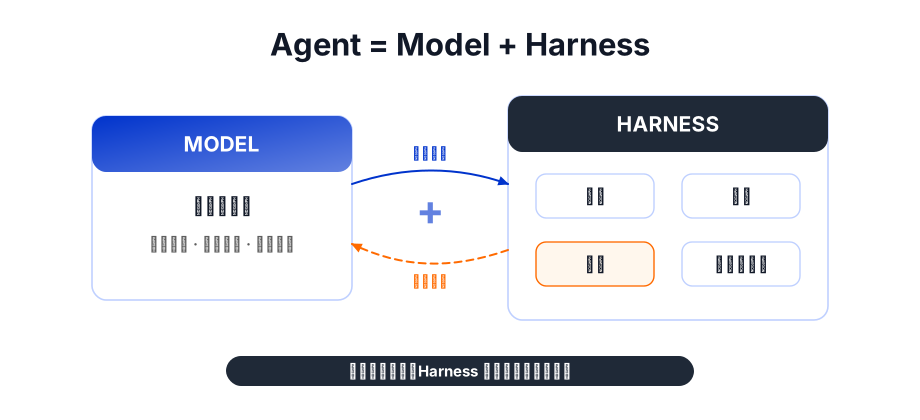
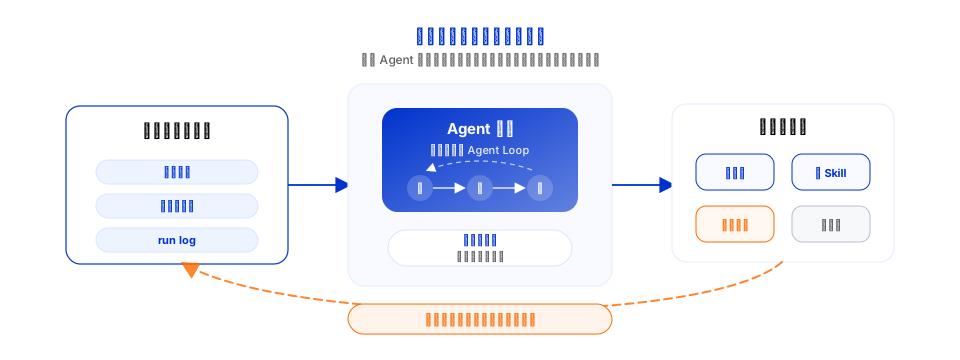
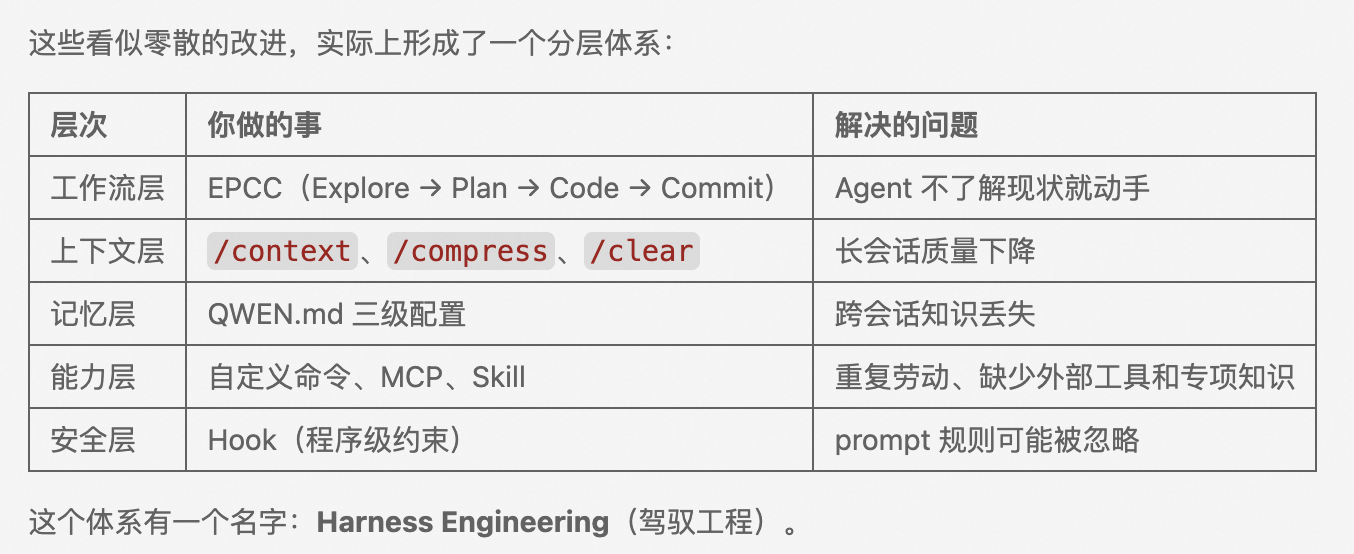
Developers can already use Qwen Code to complete real-world tasks, codify experience using Skills, and verify results with evaluations. However, a new challenge arises in business workflows: can a task that runs successfully once be reliably reused with different topics, requirements, or contexts? This update introduces section 3.8 Build production-ready business capabilities with Harness Engineering and Loop Engineering. Through a technical documentation flowchart experiment, this section guides learners to organize standards, tools, screenshot-based verification, run logs, a Reviewer role, stop conditions, and a feedback mechanism into a workflow that continuously improves.
New and updated content
Harness engineering | Loop engineering |
Integrate standards, tools, verification, logs, permissions, and boundaries into a business workflow.
| Enables an agent to use verification feedback to decide whether to modify the output, the Skill, the verifier, or the standard in the next iteration.
|
V2.4.2 Model distillation and observability
Released: April 30, 2026
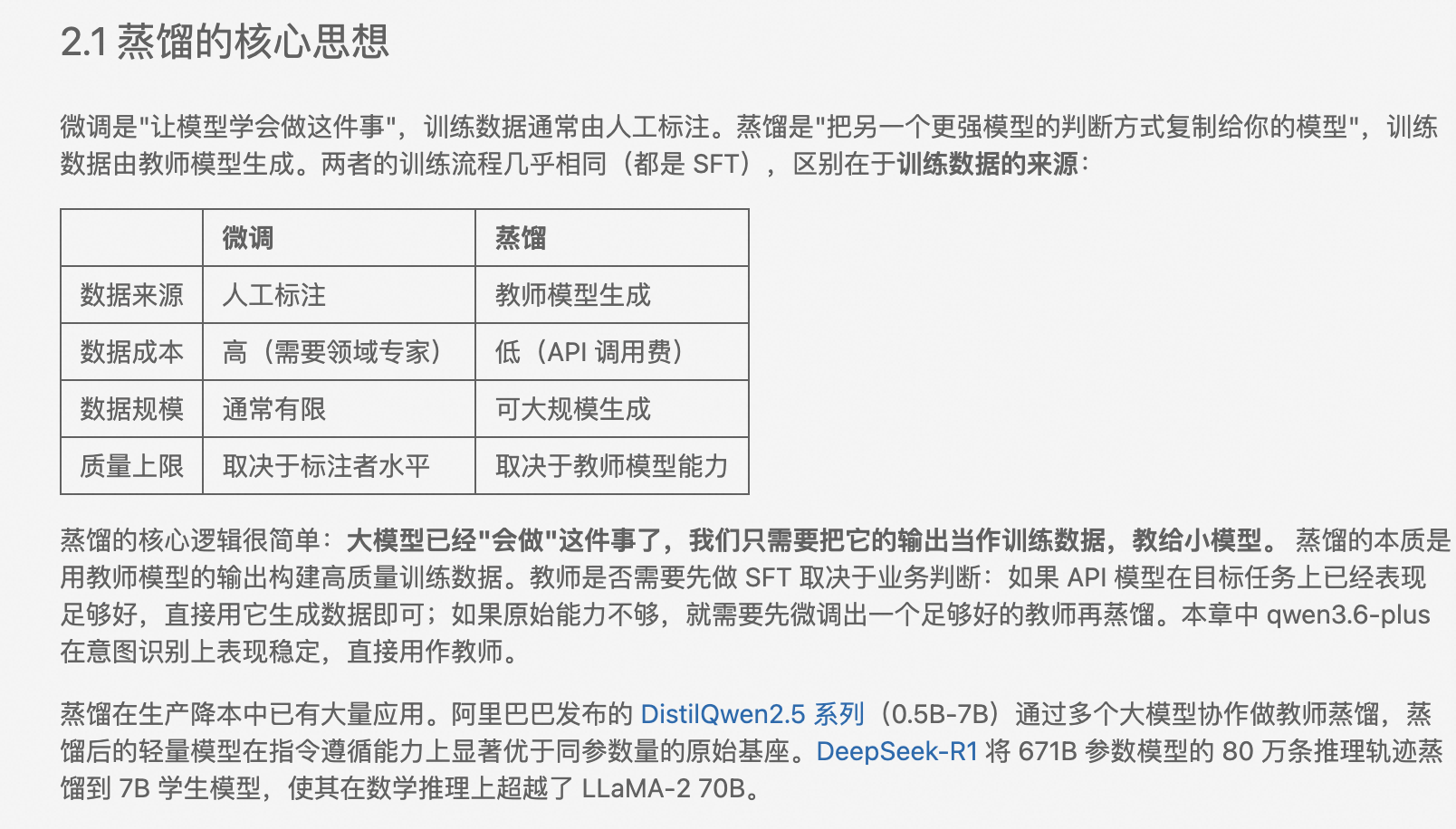
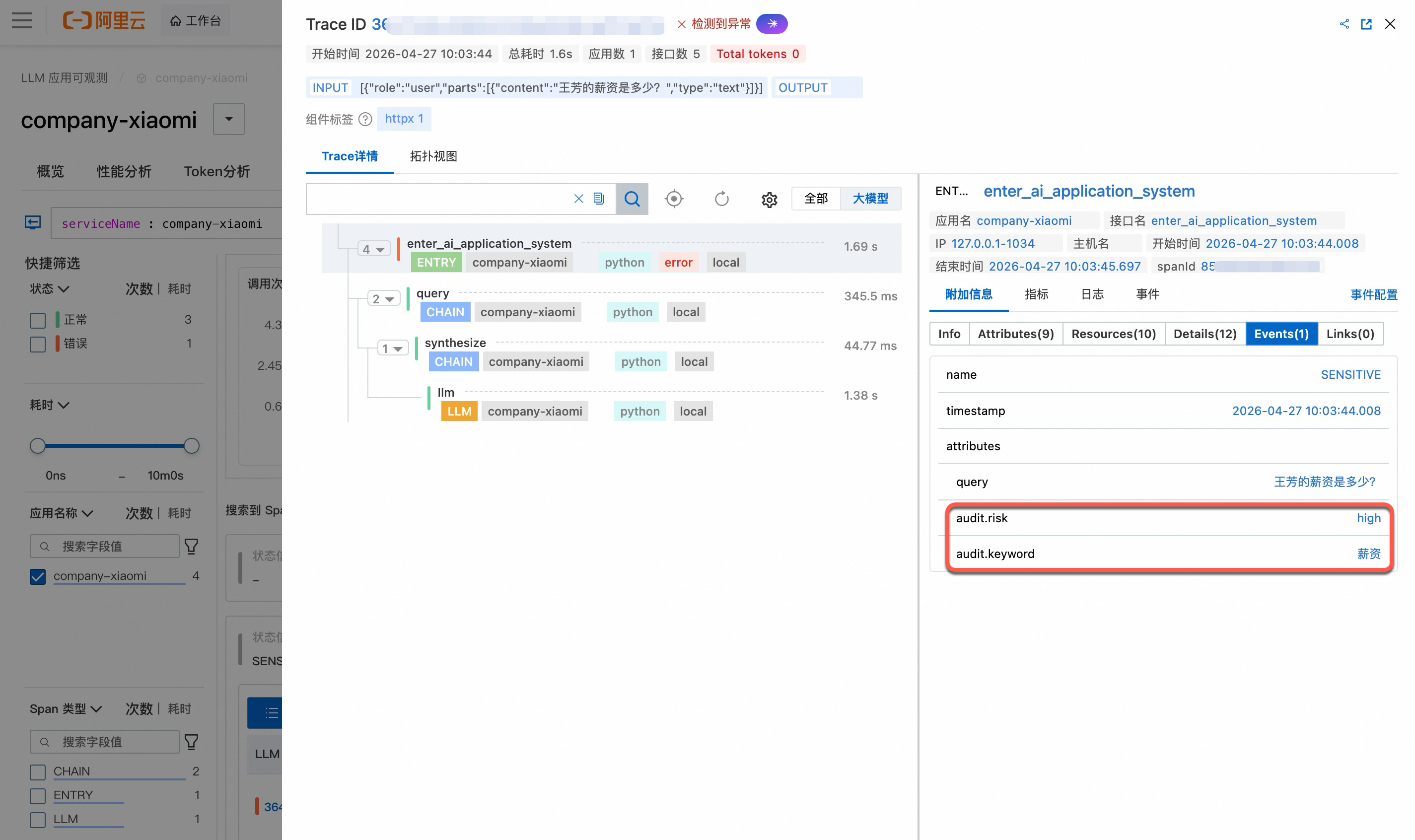
As large model capabilities advance, traditional fine-tuning is becoming less necessary. Instead, distilling the capabilities of large models into smaller ones is becoming a mainstream practice. This update upgrades the course "Improve model accuracy and efficiency through fine-tuning" to "Use distillation to impart professional capabilities to small models". The focus shifts from parameter tuning to capability transfer to better align with current engineering practices. Additionally, new content on observability has been added to the "Large model application production practices" chapter. This covers essential O&M skills for production environments, such as trace, logs, and metrics monitoring, to help learners build reliable applications, not just ones that run.
New and updated content
Model distillation | Observability |
Use Qwen Code to assist with model distillation. | Observe AI application usage. |
V2.4.0 Qwen Code practice
Released: April 10, 2026
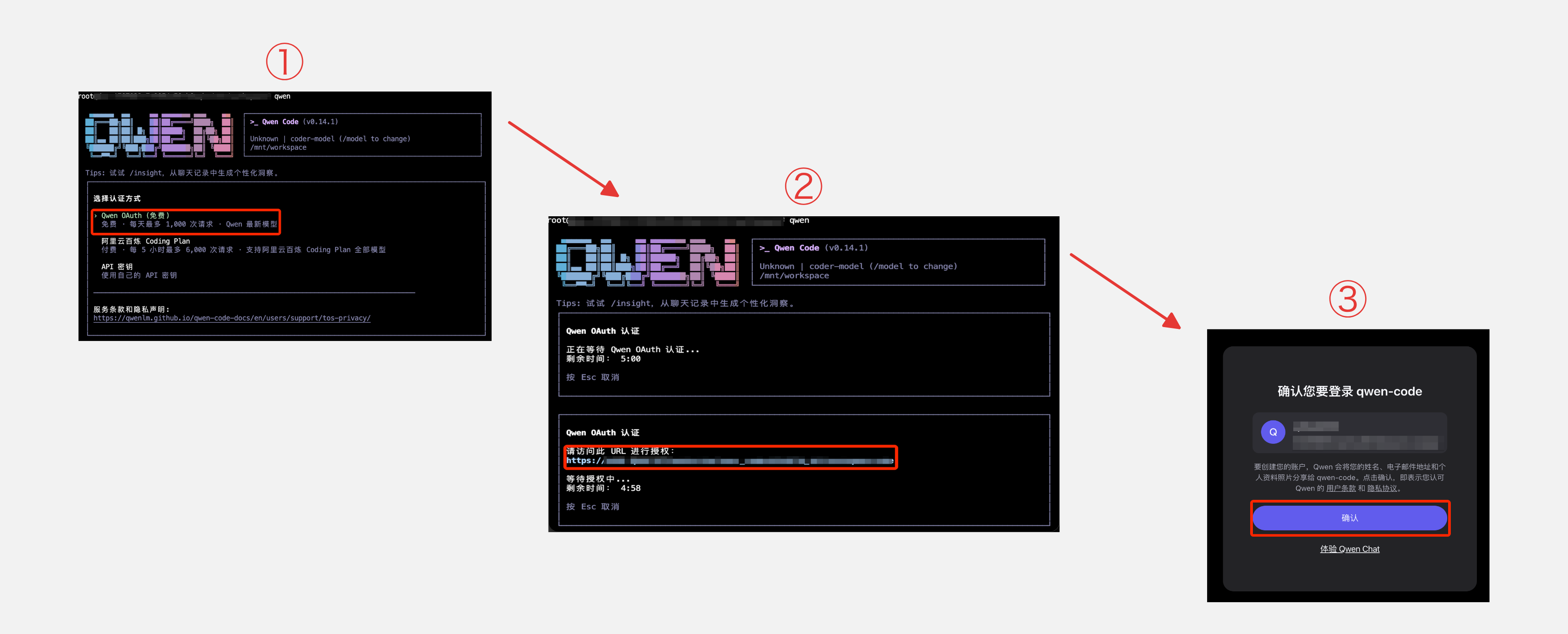
Coding agents are changing the daily work of developers. This update adds the 3.7 Qwen Code practice chapter, which guides learners to install and use Qwen Code, an open-source terminal AI agent from the Qwen team. This allows you to experience how an agent can perform autonomous planning, orchestrate tools, and complete programming tasks. We also added a Qwen Code experience section at the beginning of the 3.1 course, allowing learners to first observe an agent's "think-act-observe" workflow before delving into its underlying technical principles.
New and updated content
Coding agent workflow | Qwen Code core function practice |
At the start of section 3.1, install Qwen Code and execute a Research task to observe the agent's ReAct loop firsthand before delving into its underlying technical principles. | This new chapter covers the daily workflows of a coding agent, including code comprehension, tool orchestration, and autonomous planning. |
V2.3.0 Agent Skills
Released: March 27, 2026
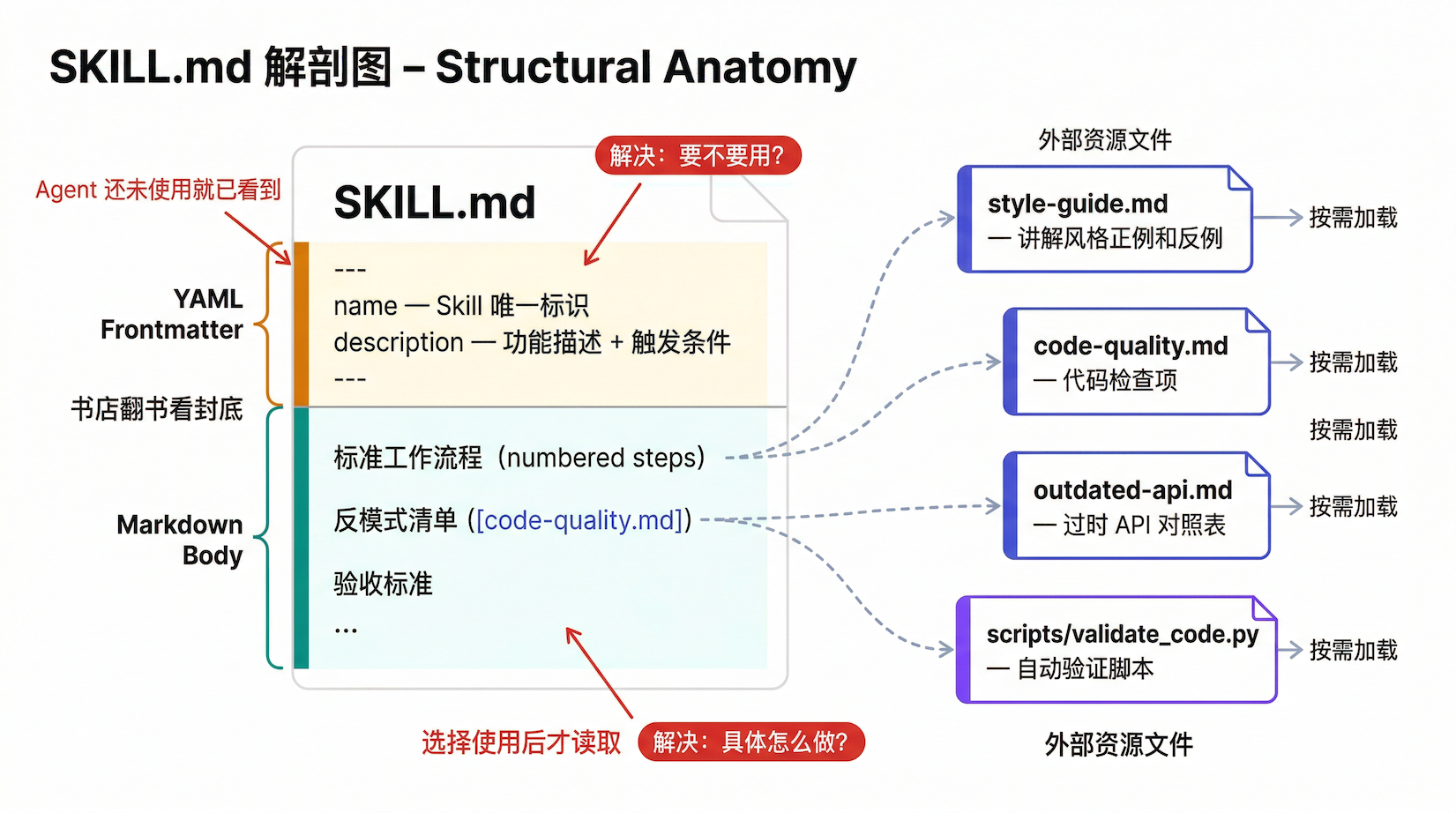
When an agent needs to perform complex, specialized tasks, simply calling tools is often insufficient, as it requires repeatedly describing processes, rules, and important notes in the prompt. This update introduces the Skill mechanism to help learners distill repetitive expert knowledge into reusable, structured instructions. This allows an agent to autonomously complete specialized tasks as if it has mastered a "skill," rather than just calling tools.
Examples of new and updated content
Skill structure design | Writing and verification | Evaluation-driven iterative loop |
|
|
|


2025
V2.2.0 Agent chapter restructure
Released: November 14, 2025
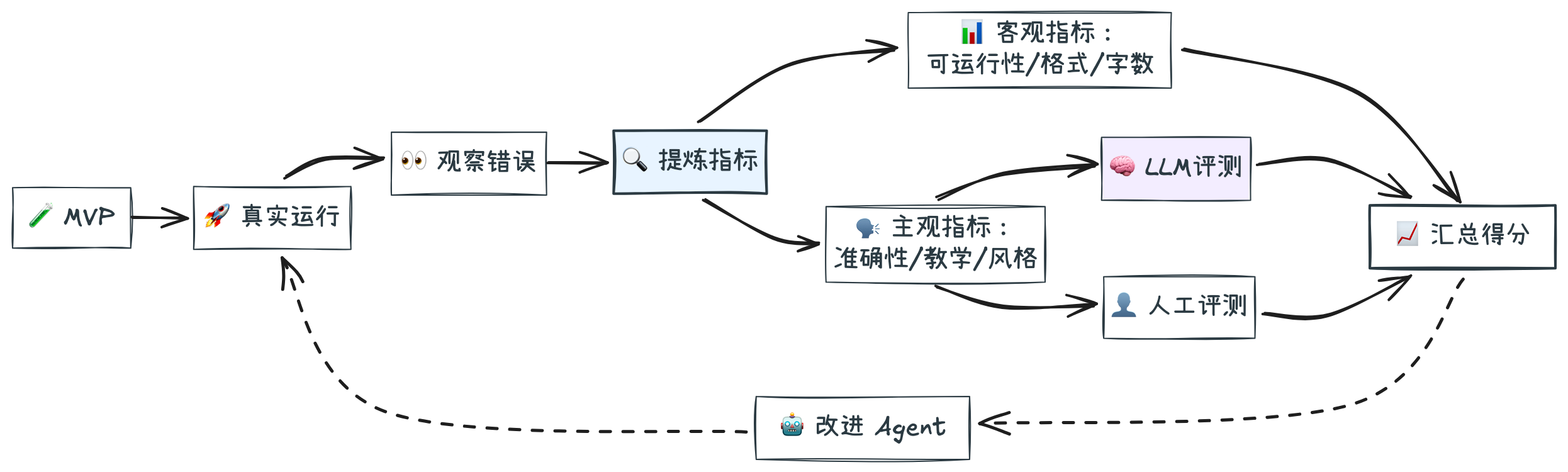
This restructuring is a comprehensive upgrade to the agent chapter, designed to help learners systematically build production-grade agent systems. The course covers seven core topics: tool usage, reflection mechanisms, workflow orchestration, autonomous planning, multi-agent collaboration, memory systems, and evaluation-driven development. It also introduces the production-grade AgentScope framework for hands-on practice.
Examples of updated and new content
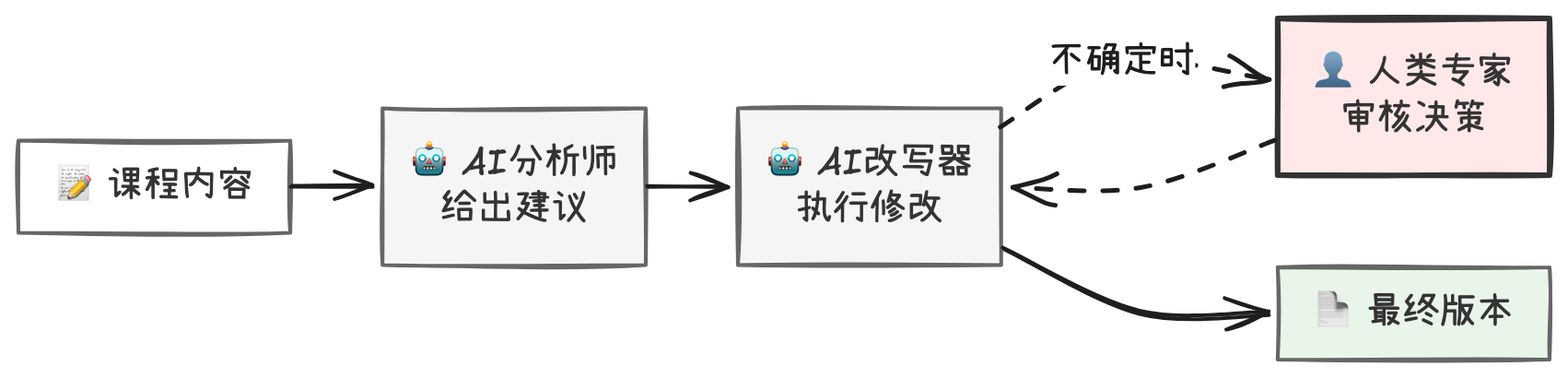
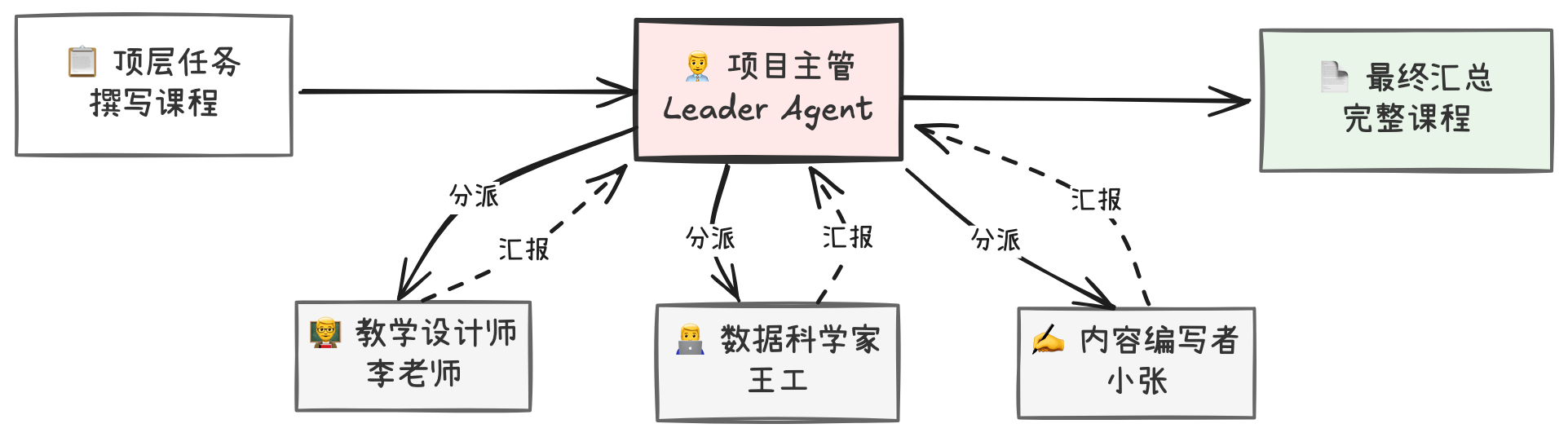
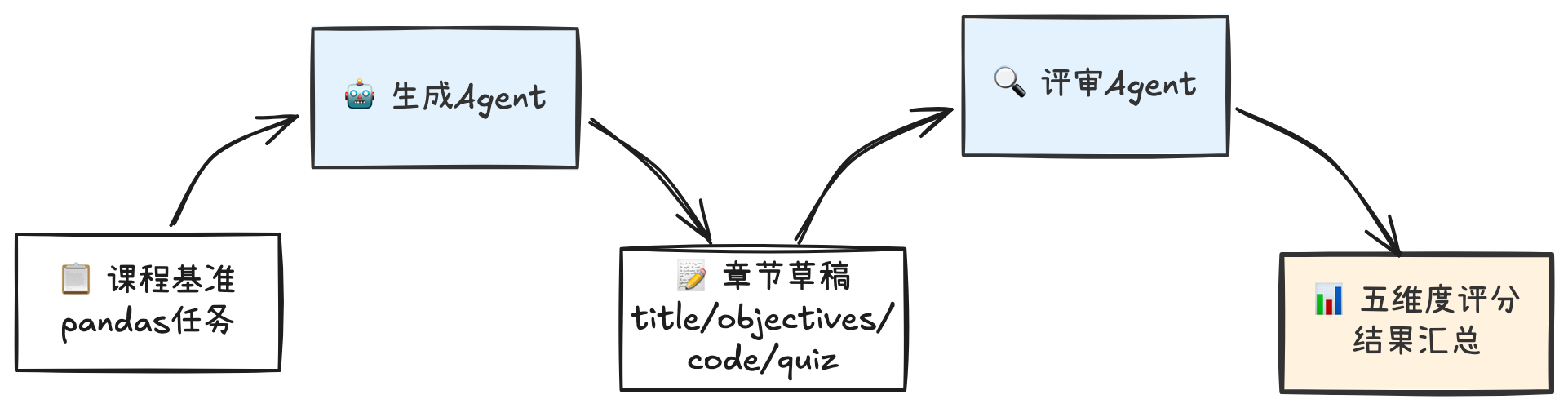
Task decomposition and workflow | Autonomous planning and collaboration | Evaluation-driven development |
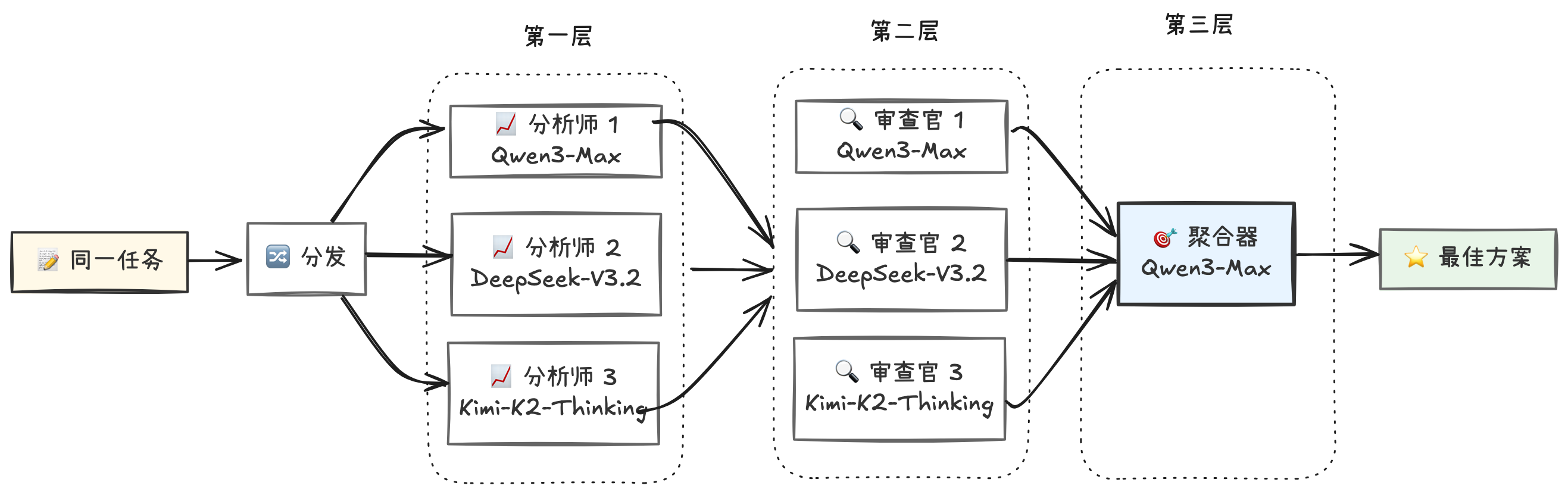
Five workflow patterns: Systematically break down complex tasks into manageable workflows, from pipelines to Mixture-of-Agents (MoA). | From fixed processes to autonomous planning: Enable agents to dynamically generate solutions based on goals, breaking free from preset process limitations. | End-to-end and white-box evaluation: Establish a systematic evaluation system to drive agent optimization with data. |
Human-in-the-loop (HITL): Integrate human decision-making at critical workflow nodes to build trustworthy AI systems. | Multi-agent collaboration: Simulate real-world team workflows using two modes: hierarchical planning and co-creation. | AgentScope Evaluation Framework: Implement a complete evaluation loop using a production-grade framework. |

V2.1.0 Meta Prompting
Released: July 28, 2025
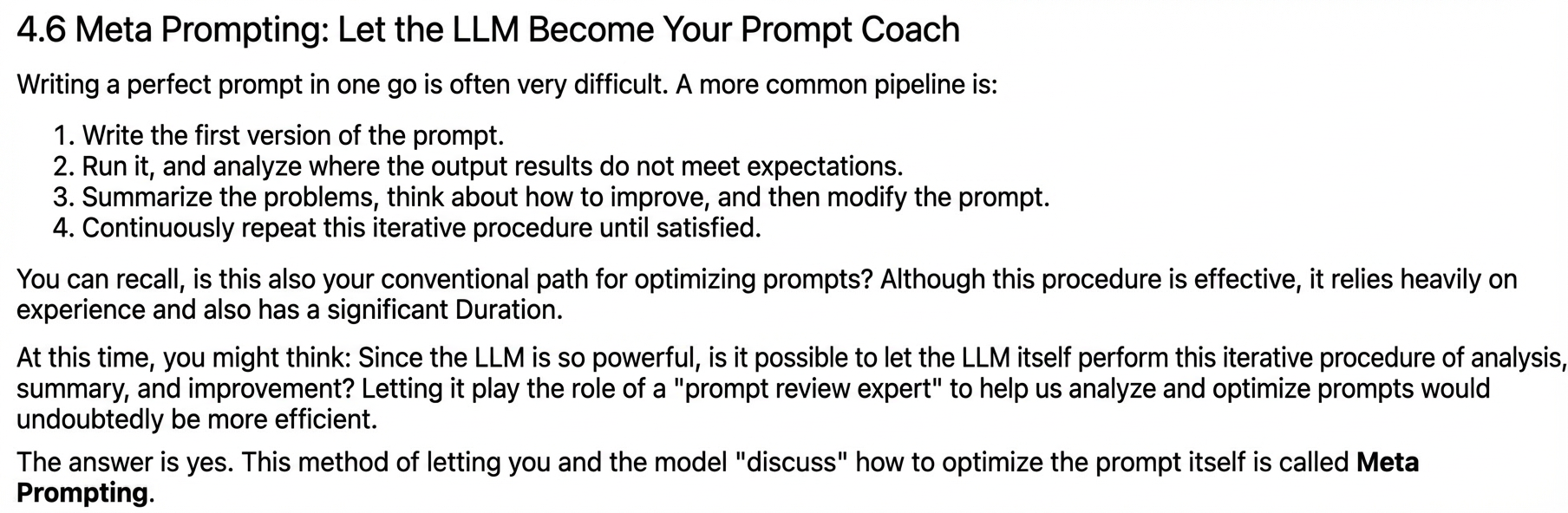
Version description: This version introduces "Meta Prompting" to guide learners on how to systematically iterate and optimize prompts by using a large model. It includes qualitative guidance and automated iteration based on "reference answers" to deepen the understanding of prompt engineering.
Examples:
Prompt optimization | Prompt effectiveness quantification |
|
|

V2.0.9 Context Engineering
Released: July 24, 2025
Version description: With Context Engineering as its core methodology, this version integrates topics like RAG, prompt, tool, and memory into a systematic knowledge framework. It helps learners develop a holistic view of "Context Engineering" and gain a deep understanding that large model application development is essentially about accurately building and dynamically managing the model's context.
Limited context window | Context engineering framework |
|
|


V2.0.8 Large model application security and compliance
Released: June 27, 2025
Version description: To help learners better understand the security risks facing large model applications and how to build a multi-layered security protection system, this update introduces the Alibaba Cloud AI security guardrail product, enables its protective capabilities on Model Studio, and enhances the content in the security and compliance chapter.
Examples:
Attack methods | AI security guardrail scenarios | Lexicon-based blocklist |
|
|
|


V2.0.7 Automated RAG evaluation
Released: June 13, 2025
Version description: To provide a deeper understanding of quality assessment and optimization for Retrieval-Augmented Generation (RAG) systems, this version details how to build and use an automated evaluation system. It emphasizes the critical role of high-quality context and guides learners in building an excellent evaluation operations system to continuously improve the performance of the Q&A bot.
Examples:
RAG automated evaluation system | Importance of RAG context | Evaluation operations system |
|
|
|


V2.0.6 Intent space and knowledge space
Released: May 26, 2025
Version description: To help learners recognize the importance of knowledge engineering and the three key areas for optimizing Retrieval-Augmented Generation (RAG) systems (knowledge engineering, evaluation systems, and engineering/algorithm optimization), this version adds content on intent space and knowledge space to the document preparation stage before RAG optimization.
V2.0.5 Image pop-ups and collapsible answers
Released: May 26, 2025
Version description: To provide a better learning experience, answers to post-lesson quizzes are now collapsed by default and can be expanded by clicking the question.
Examples:
Old version | New version |
Answers collapsed by default.
| Click the question to show the answer.
|


V2.0.4 Environment setup video guide
Released: May 7, 2025
Version description: To help learners who are unfamiliar with Python and PAI-DSW Notebooks get started more quickly, this version adds a video to the environment setup chapter that provides a step-by-step guide to preparing the learning environment from scratch.
V2.0.3 Model deployment resource selection
Released: April 2, 2025
Version description: The previous version did not clearly describe the differences among deploying large models on Model Studio, Function Compute, PAI-EAS, ACK, and ECS. This version enhances the related content to help learners choose the most suitable deployment method for their specific needs.
V2.0.2 Reasoning model usage tips
Released: March 25, 2025
Version description: To help learners more effectively use a reasoning model (such as Deepseek-R1 or Qwen-QwQ) to improve the response quality of a Q&A bot, this version adds guidance on writing high-quality prompts. The key is to clearly articulate the core requirement and provide detailed, useful background information. Additionally, this version introduces how to combine the respective strengths of reasoning models and general-purpose models to complete complex tasks more efficiently.
Examples:
Change | Old version | New version |
Added guidance on how to write a high-quality prompt. | N/A |
|
Added content on using a reasoning model and a general-purpose model in tandem to complete complex tasks. | N/A |
|


V2.0.1 Practice environment installation
Released: March 20, 2025
Version description: A properly prepared environment is a prerequisite for hands-on practice. A simpler and more broadly compatible installation process helps learners complete subsequent steps more easily. This version adds an automated installation method to complement the manual setup. It also removes the single-image restriction and uses Python's built-in virtual environment (venv) to improve compatibility.
Examples:
Change | Old version | New version |
Added an automated installation script for one-click environment setup. | N/A |
|
The old version's further reading mentioned Conda virtual environment configuration but lacked installation instructions and was unstable. The new version uses Python's built-in venv for virtual environment management, requiring only configuration instead of a separate installation. |
|
|
The new version removes the single-image restriction and adds guidance on selecting an image. |
|
|


V2.0.0 Exam question bank update
Released: March 12, 2025
Version description: The original exam focused too heavily on concepts, and Chapter 2 was significantly restructured. This update overhauls the entire question bank, adjusts the weighting of knowledge points, and adds more scenario-based questions to assess learners' ability to apply knowledge in real-world situations.
Examples:
Comparison of knowledge point weighting
V1.0 knowledge point weighting
V2.0 knowledge point weighting
Knowledge point
Weighting
Knowledge point
Weighting
Large Model Application Development
16%
Large model application development
17%
Large Model Prompt Engineering
24%
Large model prompt engineering
14%
Large Model Retrieval Augmentation
24%
Large model retrieval augmentation
19%
Large Model Fine-tuning
16%
Large model fine-tuning
17%
Large Model Ethics and Security
8%
Multi-agent and multimodal applications
16%
AI-Assisted Multimodal Content Production
12%
Production environment application practice
17%
Example of an improved exam question
Old version
New version
When evaluating the performance of a fine-tuned model, which of the following are common evaluation metrics?
When evaluating the performance of a fine-tuned model, selecting the right evaluation metrics is critical. Assume an AI engineer is fine-tuning a large model for a sentiment analysis task. The goal is to ensure the model can accurately classify user reviews to improve the user experience of an online store. In this process, which of the following common evaluation methods should be the primary focus?
Recall
Precision
F1 score
Training time
Generation speed
Batch size
Calculate the recall for sentiment analysis.
Analyze the accuracy for sentiment analysis.
Use manual labeling for evaluation when comparing multiple fine-tuned versions.
Evaluate the training time of the fine-tuning process.
The learning rate used during fine-tuning.
The batch size used during fine-tuning.
Correct answer: A, B, C
Old question issue: The question is too simple, lacks background context, and does not specify a scenario. The options are not well-defined and can have different interpretations in different contexts.
V1.2.2 Chapter 3 restructure
Released: March 12, 2025
Version description: The outdated content of the original Chapter 3 has been redesigned. This update aims to reinforce learned concepts, provide a deeper understanding of current large model application scenarios and development trends, and inspire continued exploration in the field of artificial intelligence.
V1.2.1 New chapter on production practices
Released: March 10, 2025
Version description: This update introduces a new chapter to help learners understand the key elements of releasing large model applications into production. It covers how to deploy large models efficiently and cost-effectively into real business scenarios and provides guidance on building a stable and secure system architecture. The content from the former section "2.7 Content safety and compliance checks for RAG in large models" has been merged into this new chapter.
V1.2.0 Model fine-tuning chapter restructure
Released: March 5, 2025
Version description: Because model fine-tuning is a relatively complex process that requires understanding several fundamental concepts, this version adds key concepts and reorganizes the hands-on practice. This helps learners gain a deeper understanding of model fine-tuning and accumulate more practical experience.
Examples:
Change | Old version | New version |
Optimized the fine-tuning task by changing it from a more abstract NL2SQL task to a simple mathematical task. |
|
|
Expanded knowledge to cover both the basic principles of fine-tuning and fine-tuning methods for different tasks. | N/A |
|
The lab process was modified to include multiple fine-tuning runs, with added evaluation criteria and parameter adjustments based on the results of each run. |
|
|


V1.1.1 Pre-installed vLLM image
Released: January 6, 2025
Version description: To resolve long installation times for the vLLM library and potential installation failures due to network issues, the course now uses a system image that has vLLM pre-installed by default.
Examples:

2024
V1.1.0 Chapter 2 restructure
Released: November 29, 2024
Version description:
Based on feedback gathered since the course launch, we have restructured Chapter 2. This restructuring focuses on optimizing the course structure and content standards to ensure the material is concise, coherent, and free of excessive repetition. Key knowledge points are now explained more clearly and completely, and the formatting is standardized for a better reading experience.
Due to this content expansion, the original section "2.1 Build a newcomer Q&A bot" has been split into two sections: "2.1 Build a newcomer Q&A bot with a large model" and "2.2 Expand the knowledge scope of the Q&A bot". The numbering of subsequent sections has been adjusted accordingly, and some section titles have been slightly revised.
Examples:
Change | Old version | New version |
The course is more progressive, with concise and coherent content. For example, it avoids introducing unfamiliar concepts like RAG at the very beginning and reduces redundant explanations. |
|
|
Added key knowledge points to avoid conceptual leaps and reduce comprehension difficulty. For example, before introducing RAG, the new version first explains how large models work and their knowledge limitations. This provides a logical lead-in to the purpose and implementation of RAG, which was presented abruptly in the old version. |
|
|
Standardized the course content structure. For example, the summary format and content were optimized to clearly state what was learned in the section and to add application suggestions and further reading. |
|
|
Improved readability. Fixed unclear references and awkward phrasing. | In a large model agent, long-term memory refers to persistent system information, such as business history and knowledge bases, typically stored in external vector databases and document repositories, which is provided to the agent to answer questions in specialized user domains. | In a large model agent, long-term memory refers to persistent system information, such as business history and knowledge bases, typically stored in external vector databases and document repositories. The agent uses this long-term memory to answer user questions related to private knowledge or specialized domains. |


V1.0.2 Improved reading experience
Released: October 28, 2024
Version description: To enhance the reading experience, this update focuses on improving the readability of Chapter 2. We added key descriptions to ensure contextual coherence and removed unnecessary model outputs and repetitive statements. The chapter order was also adjusted: the original section 2.4 (model fine-tuning) was moved to 2.7. This allows learners to build the large model application before optimizing it with fine-tuning, which better aligns with the learning curve.
Examples:
Old version | New version |
|
|


V1.0.1 Improved lab experience
Released: October 17, 2024
Version description:
Improved hands-on experience: The lab environment has been switched from ModelScope Notebook to PAI-DSW. Learners can now claim free CPU/GPU instances to complete all chapters of this course.
Optimized course content: The structure of the foreword and summaries has been improved to highlight key knowledge points, clarify confusing explanations, and reduce redundancy.
Optimized API key retrieval: The code has been simplified to reduce the risk of API key leakage.
Examples:
Old version | New version |
|
The hands-on lab environment is as follows: |


V1.0.0 Initial course release
Released: October 14, 2024
Version description: This is the first version of the course. It uses a project-based approach to introduce theoretical concepts, combined with hands-on practice to deepen understanding and reinforce learning. The course is divided into three chapters and 16 sections: "Course preparation", "Building a large model Q&A system", and "Using a large model to assist in content production".