Graph Database (GDB) is designed to store and query highly connected data. The GDB kernel is highly optimized, making it ideal for scenarios such as revenue growth, financial risk control, product recommendation, social recommendation, circular guarantee detection, abnormal metric monitoring, and fraudulent group mining.
Revenue growth
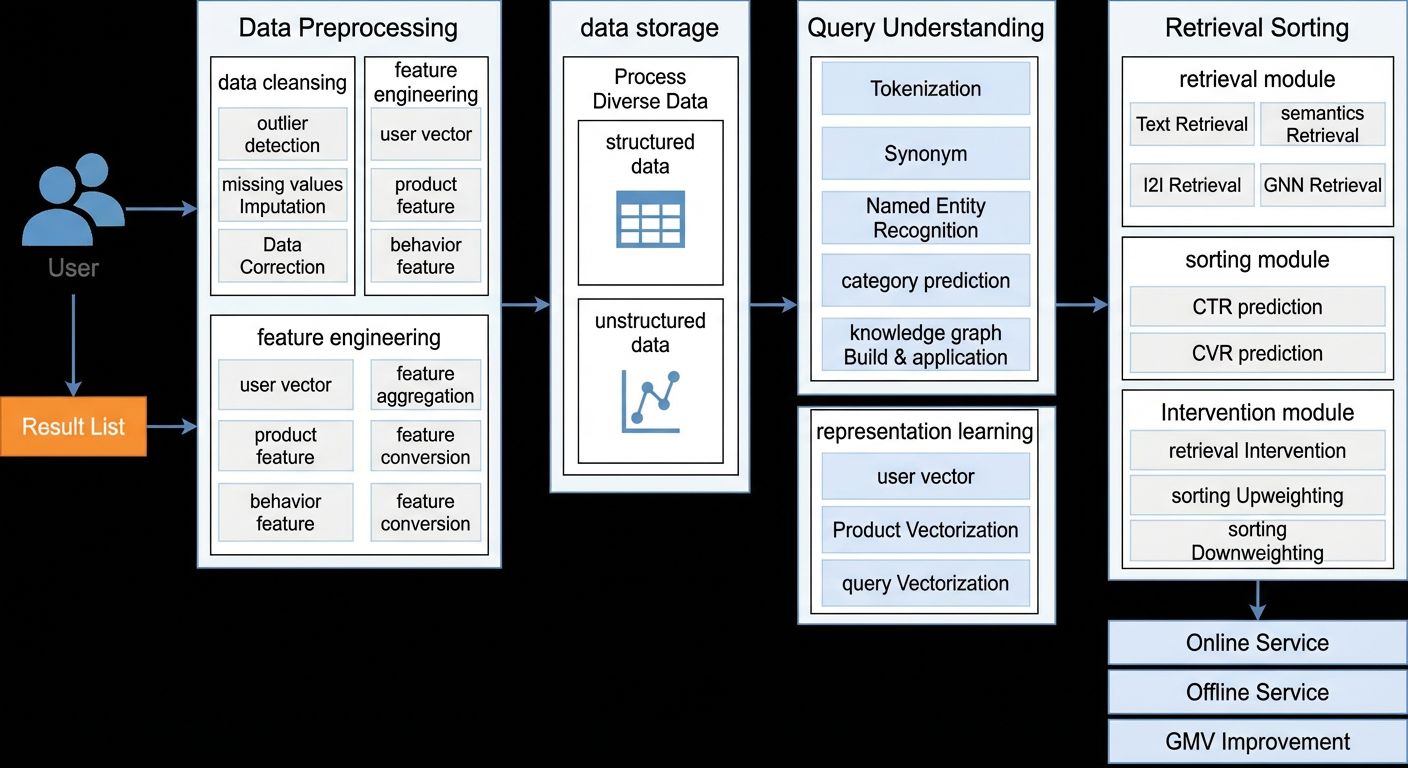
Graph Database (GDB) provides an integrated solution for intelligent search and recommendation. It accurately understands user intent and recommends relevant products. You can customize solutions for your business scenarios to improve core metrics and increase revenue. For example, a luxury e-commerce company used Alibaba Cloud's intelligent search and recommendation service in its core search channel. This helped them optimize search results and create a "Guess You'll Like" personalized recommendation solution. As a result, the average Gross Merchandise Volume (GMV) for new users increased by 61.88%, and the average click-through rate (CTR) increased by 18.44%.
Financial risk control
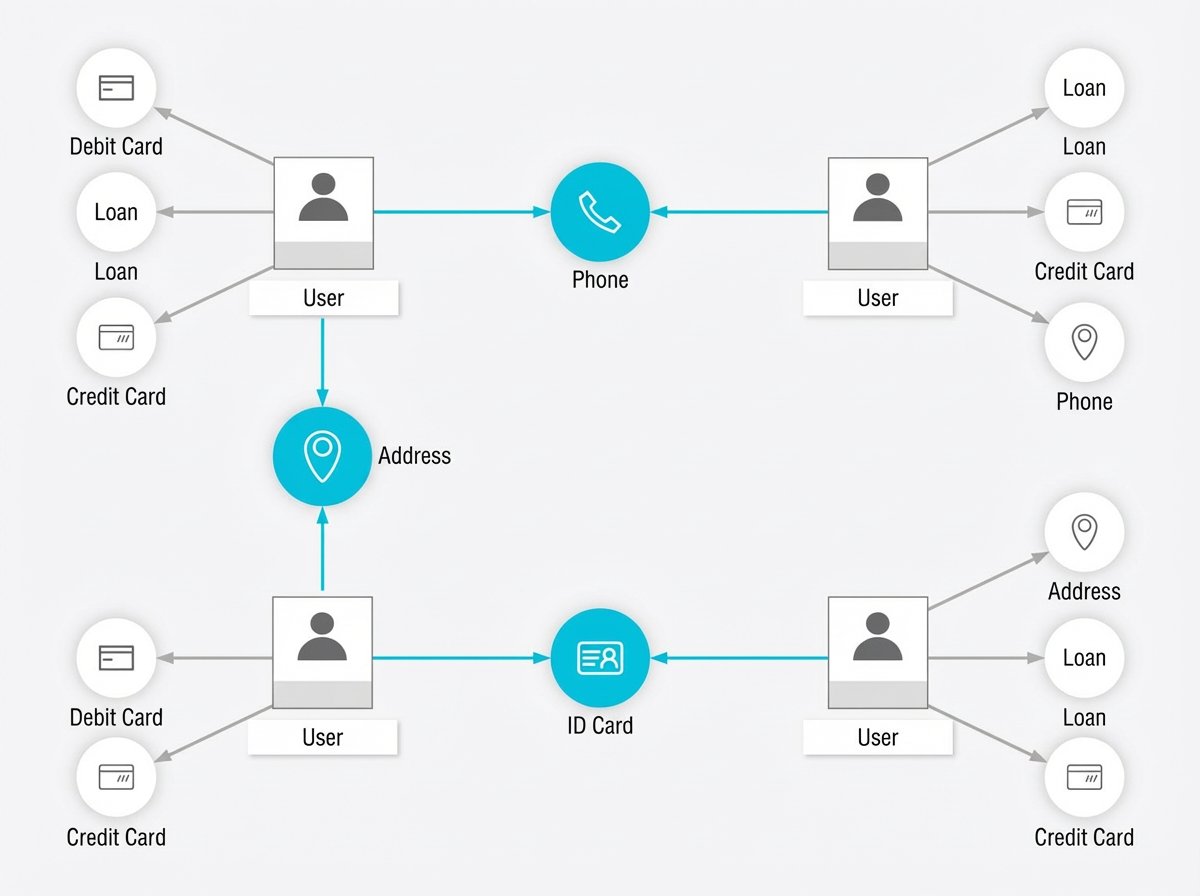
Traditional financial risk control models collect feature information from various data sources but struggle to uncover deep relationships between them. Mining these relationships from massive datasets quickly and deeply is a major technical challenge for traditional methods. Graph representation learning helps solve this problem. It extracts topological features from a knowledge graph to use as input for model training. This process helps financial institutions build more accurate risk control models.
Product recommendation
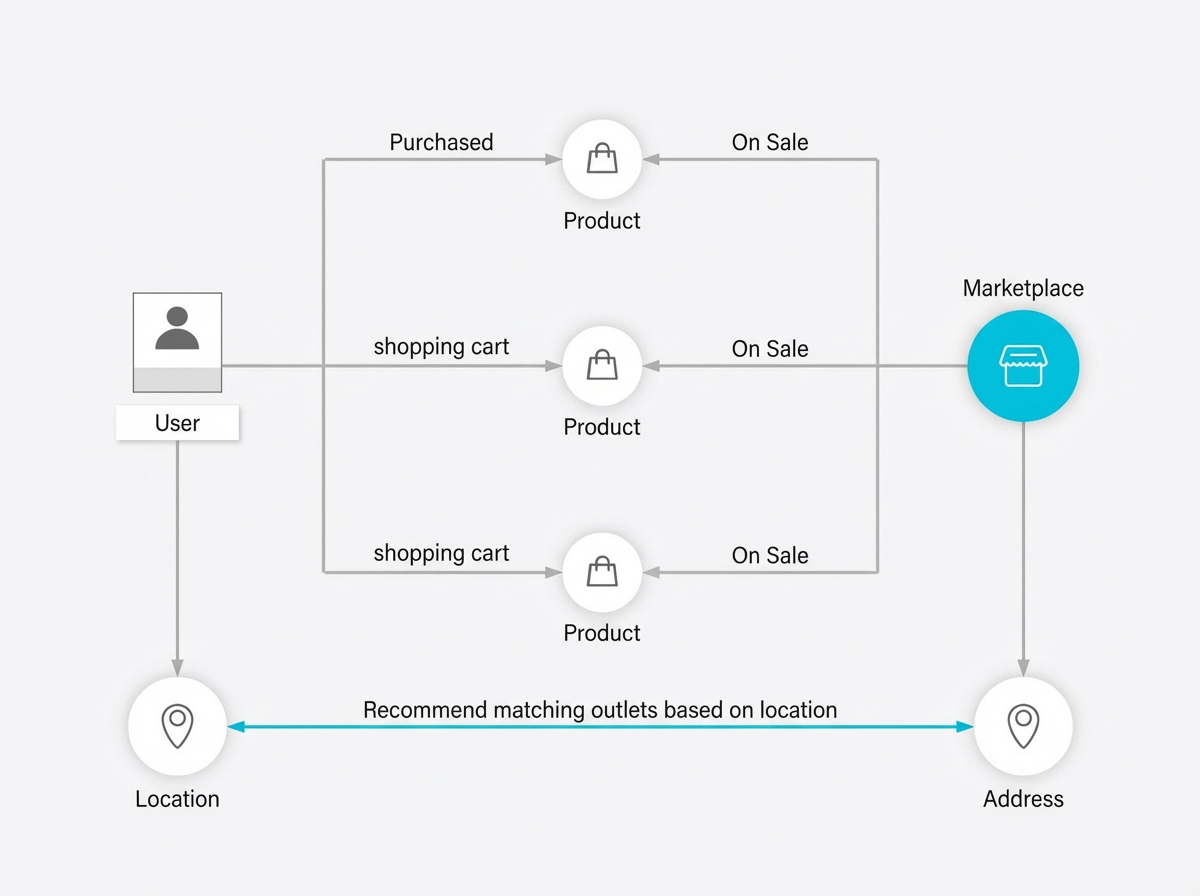
Graph-based recommendation algorithms are an important part of modern recommendation systems. They provide both high accuracy and good model interpretability. By analyzing common relationships in a graph, you can recommend similar nodes by calculating the number of their common neighbors. This approach is well-suited for product recommendation in e-commerce and insurance.
Social recommendation
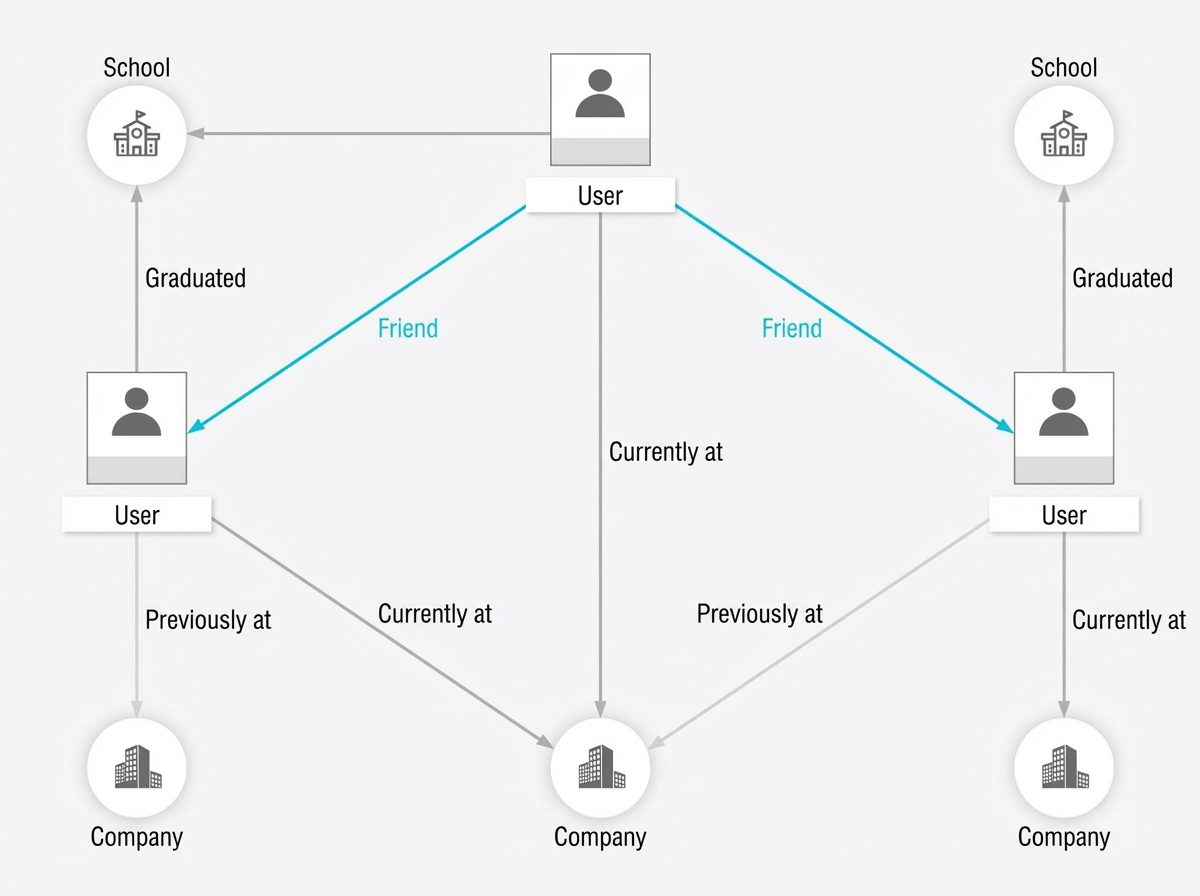
Graph Database (GDB) can easily store and query massive amounts of highly connected social data in real time. This helps you quickly build complex social network systems. For example, a typical social network handles queries such as "who knows whom", "what school someone attended", "where someone lives", and "what restaurants someone likes". Traditional relational databases often perform poorly or cannot support queries that join more than three tables. However, GDB is inherently designed to handle these complex storage and query demands of social networks.
Circular guarantee detection
In finance, risk control depends on detecting if collateral has been used for multiple guarantees. The loop detection algorithm in graph computing is central to this process. It finds closed loops in the graph, which helps financial institutions discover deep relationships between collateral and creditors. This discovery ultimately reduces risk control costs.
Abnormal metric monitoring
The growth of electronic and mobile payments has introduced serious transaction security issues. To prevent financial losses from illegal activities, you can use anomaly detection algorithms to identify abnormal online financial transactions and stop illegal behavior promptly. A graph database can identify a user's device information, payment environment, transfer details, and social connections. This helps detect potential risks and improves payment security.
Fraudulent group mining
Organized fraud is common on many platforms. Examples include coordinated fraudulent cash advances, groups of bargain manipulators, and even organized criminal activities. The key feature of these groups is that their members are connected, or their behaviors are similar. By combining graphs with machine learning, you can extract topological information from a group's relationship diagram. You can use data from known fraudulent groups to train a machine learning model. This model can then classify target nodes or predict relationships to identify new fraudulent groups.