Knowledge upload format specifications
This topic describes the format specifications for uploading documents to a knowledge base.
Recommended document content format
To improve the performance of your knowledge base and ensure that documents are parsed correctly, format your uploaded documents according to the following guidelines:
Avoid large watermarks. Watermarks can be detected as text. If a watermark covers content, it can interfere with text parsing.
Maintain a clear hierarchical structure. Use a consistent and standard format for the ordinal numbers in your titles at each level. Inconsistent formatting can cause document level parsing errors.
Do not nest sublists within list items. This can cause document level parsing errors.
Use separate documents for independent topics instead of a single summary document. This prevents content from being incorrectly merged if the document is not formatted correctly.
Examples of incorrect formatting
Document contains a watermark
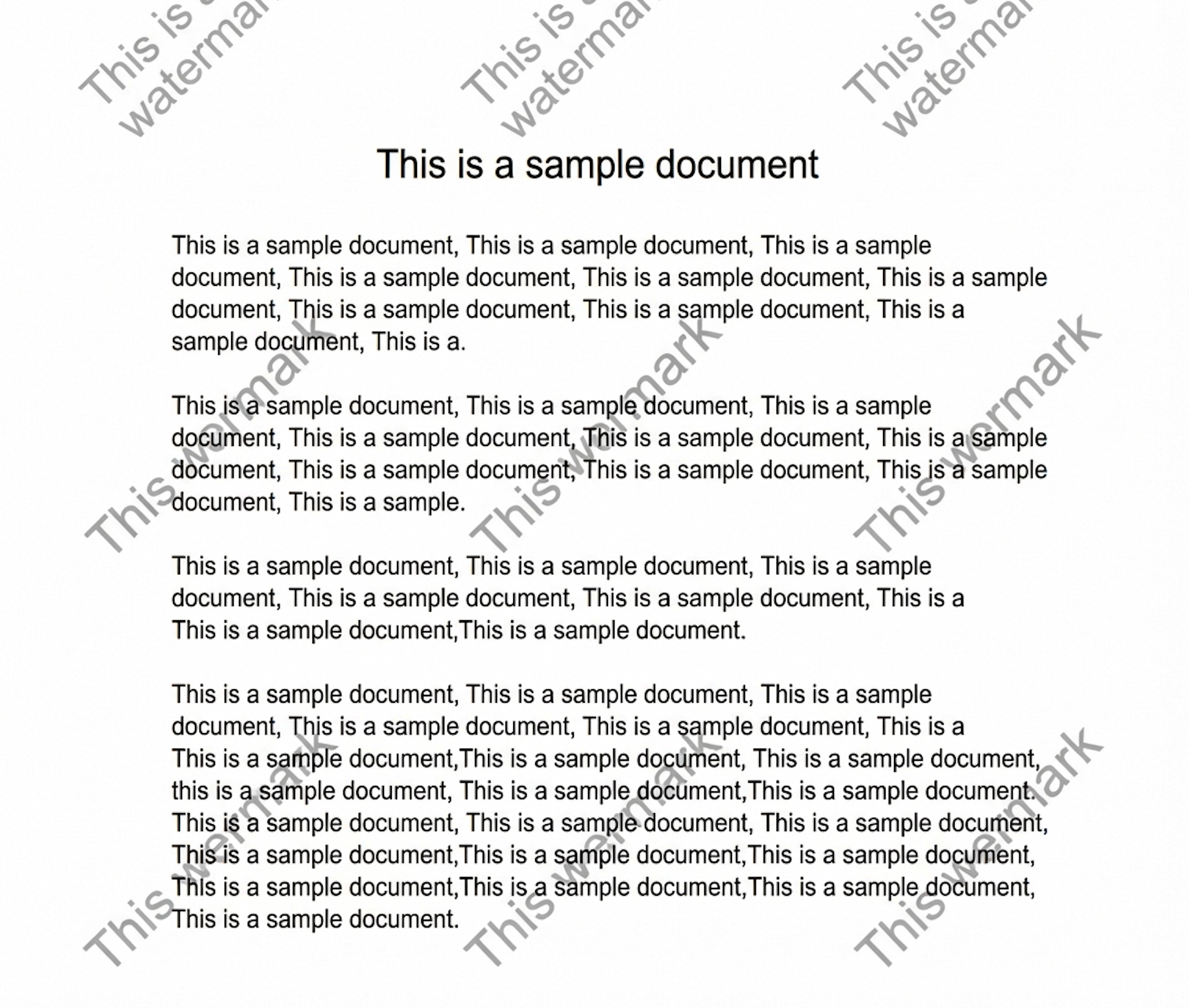
As shown in the figure, a watermark can be detected as text. If the watermark covers content, it can also interfere with text parsing.
Inconsistent title ordinal numbers
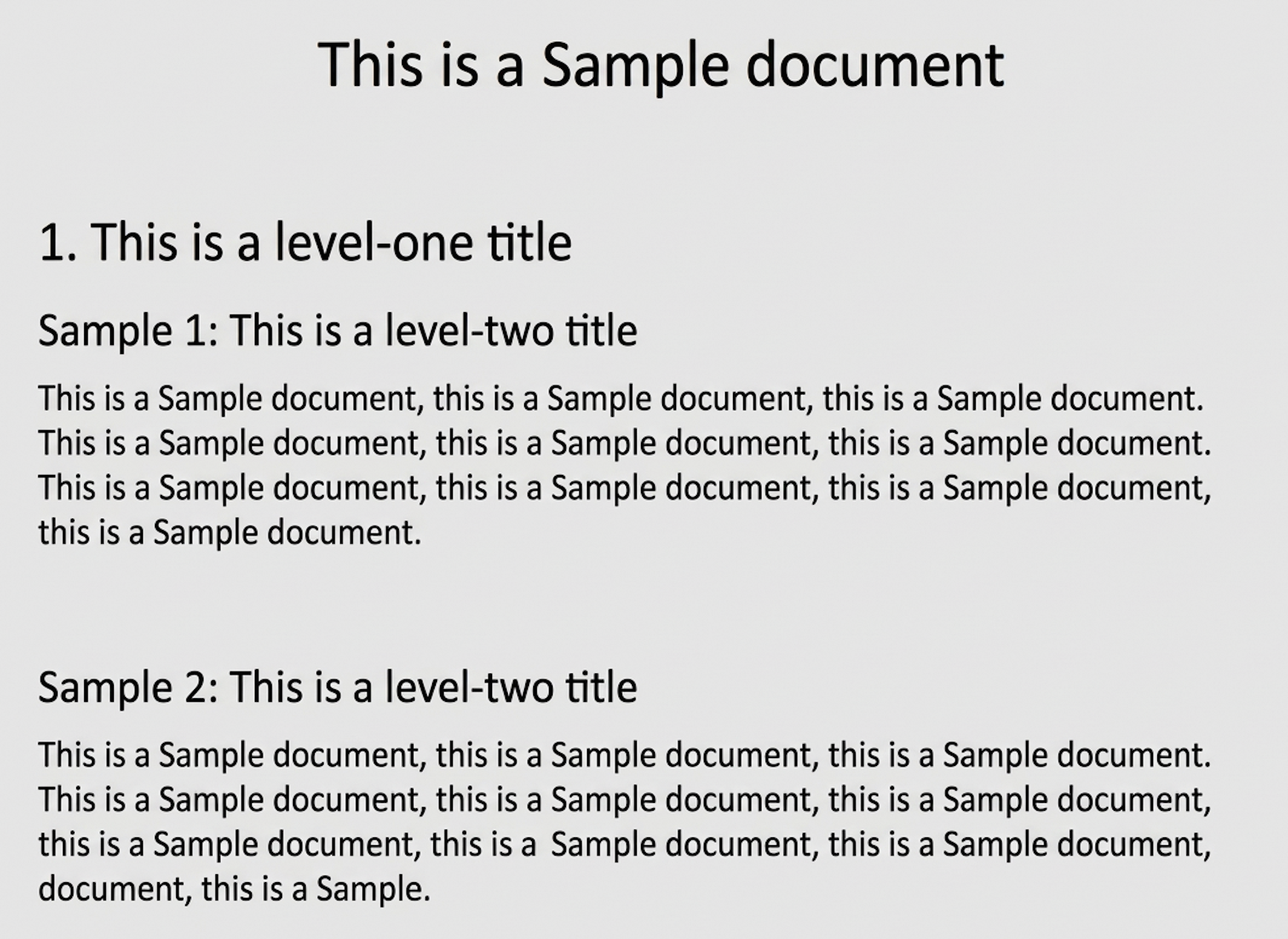
As shown in the figure, the ordinal numbers for the level-two titles are inconsistent. This can cause document level parsing errors. Change titles such as "Example 1:" and "Example 2:" to a standard format, such as "1." and "2." or "1.1." and "1.2.".
Sublist nested within a list item
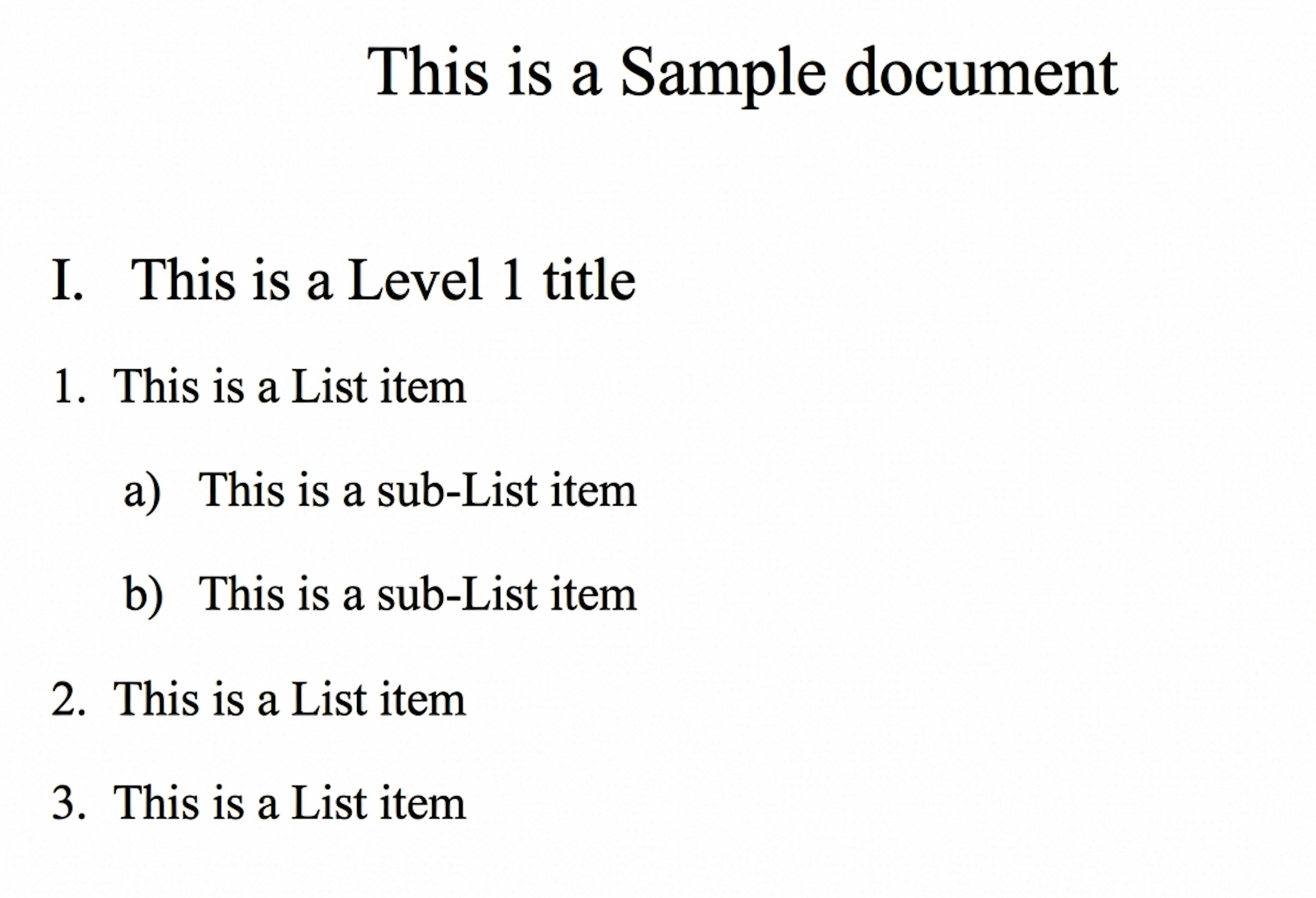
As shown in the figure, a sublist is nested within the first list item. This can cause the first list item to be parsed as a level-two title. All subsequent content would then be incorrectly grouped under this title. Avoid nesting sublists within list items. If a nested list is required, place it under the final list item to reduce potential level parsing errors.
Multiple independent topics in a single summary document
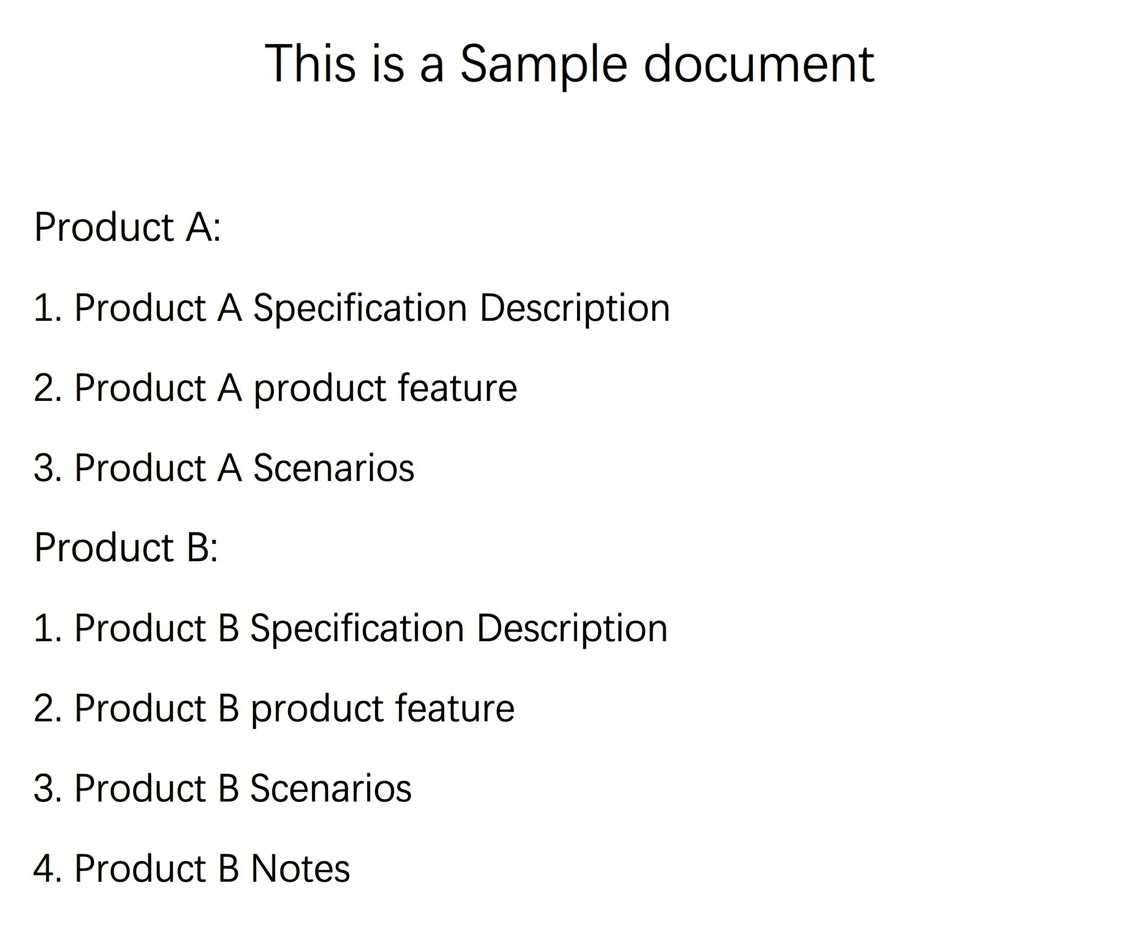
As shown in the figure, the titles for Product A and Product B do not use standard ordinal numbers. This can cause the content for Product B to be parsed as part of the content for Product A, which incorrectly combines the information for the two products.