Text-to-image prompt guide
Write effective prompts to generate high-quality images with Wan - text-to-image V2 . This guide covers prompt structure, visual vocabulary, and practical examples.
Applies to:
Prompt parameters
The text-to-image model has two parameters related to prompts:
- prompt: The positive prompt, which supports both Chinese and English. You need to use a piece of text to describe the image you want to generate. The prompt techniques in this guide refer to techniques for writing the prompt.
- negative_prompt: The negative prompt, which describes what you do not want to see in the image.
Text-to-Image V2 also supports intelligent prompt rewriting using a large language model (LLM).
- prompt_extend: Whether to enable intelligent prompt rewriting. Defaults to true, which means LLM-based rewriting is enabled. We recommend that you use the default configuration.
{
    "input": {
        "prompt": "一间有着精致窗户的花店,漂亮的木质门,摆放着花朵",
        "negative_prompt": "人物"
    },
    "parameters": {
        "prompt_extend": true
    }
}
{
    "input": {
        "prompt": "一间有着精致窗户的花店,漂亮的木质门,摆放着花朵",
        "negative_prompt": "人物"
    }
}
You may have already learned that writing effective prompts is not easy. This guide summarizes two major categories of prompt techniques, so you can learn how to write prompts step by step.
- Prompt formulas: Two prompt formulas provided for different use cases.
- Prompt dictionary: Presents image content through the five major visual elements of an image, covering shot size, perspective, lens type, style, and lighting.
Prompt formulas
A prompt describes the content contained in an image and is the key factor that controls the content and effect of the image. The more complete, precise, and rich the prompt description, the higher the quality of the generated image and the closer it is to the content you expect. To help you get started faster, we provide two prompt formulas for different use cases.
Basic formula
Target users: Suitable for new users trying AI creation for the first time and for users who use AI as a source of inspiration. Simple, free-form prompts can generate more imaginative images.
Prompt = Subject + Setting + Style
|
Prompt example | Image result |
|---|---|
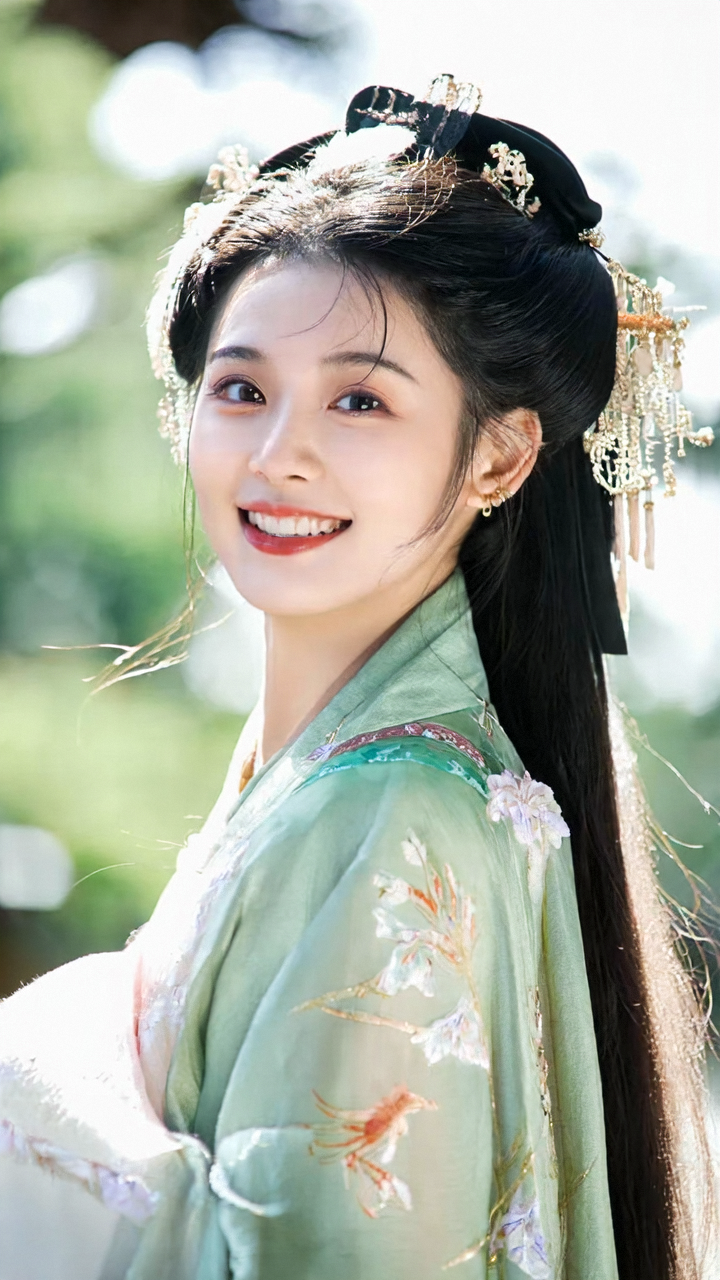
25-year-old Chinese girl, round face, looking at the camera, elegant ethnic costume, commercial photography, outdoor, cinematic lighting, half-body close-up, delicate light makeup, sharp edges. |
|
Advanced formula
Target users: Suitable for users with some experience in AI image generation. Adding richer and more detailed descriptions on top of the basic formula can effectively improve image texture, detail richness, and expressiveness.
Prompt = Subject (subject description) + Setting (setting description) + Style (defined style) + Camera language + Atmosphere words + Detail modifiers
|
Prompt example | Image result |
|---|---|
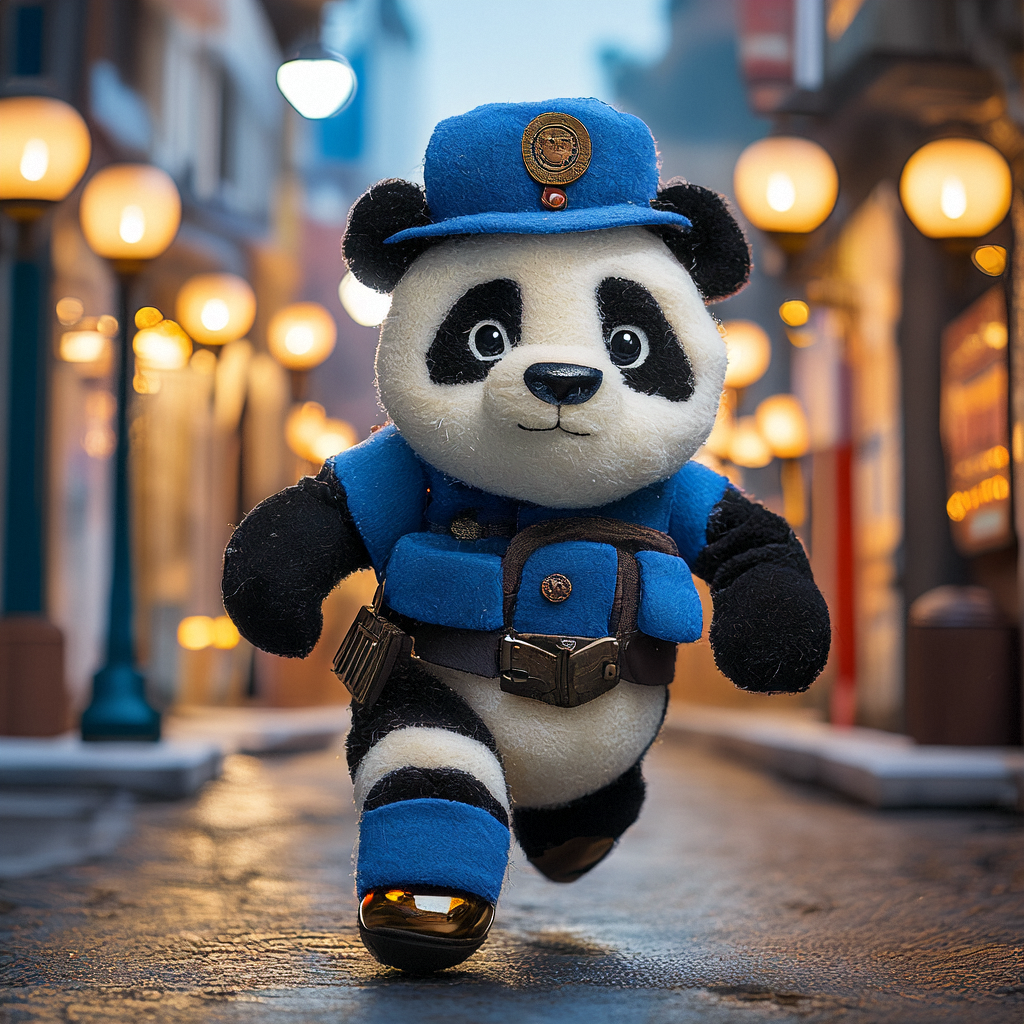
A panda made of wool felt, wearing a wide-brimmed hat, dressed in a blue police uniform vest, with a belt around the waist, carrying police equipment, wearing blue gloves, leather shoes, in a striding running posture, felt effect, surrounded by animal kingdom city street shops, premium filter, street lamps, animal kingdom, marvelous childlike fun, adorable appearance, night, bright, natural, cute, 4K, felt material, photographic lens, centered composition, felt style, Pixar style, backlight. |
|
Prompt dictionary
Writing prompts across different dimensions determines the expressiveness of the generated image in multiple aspects such as content, style, and detail. We have carefully prepared common dimensions and prompt examples for your reference, and you are also welcome to explore more techniques.
1. Shot size
Shot size refers to the difference in the range of the subject presented in the frame, caused by the distance between the camera and the subject. It is generally divided into long shot, full shot, medium shot, close-up, and extreme close-up. The following are some shot size examples:
Shot size type | Prompt example | Image result |
|---|---|---|
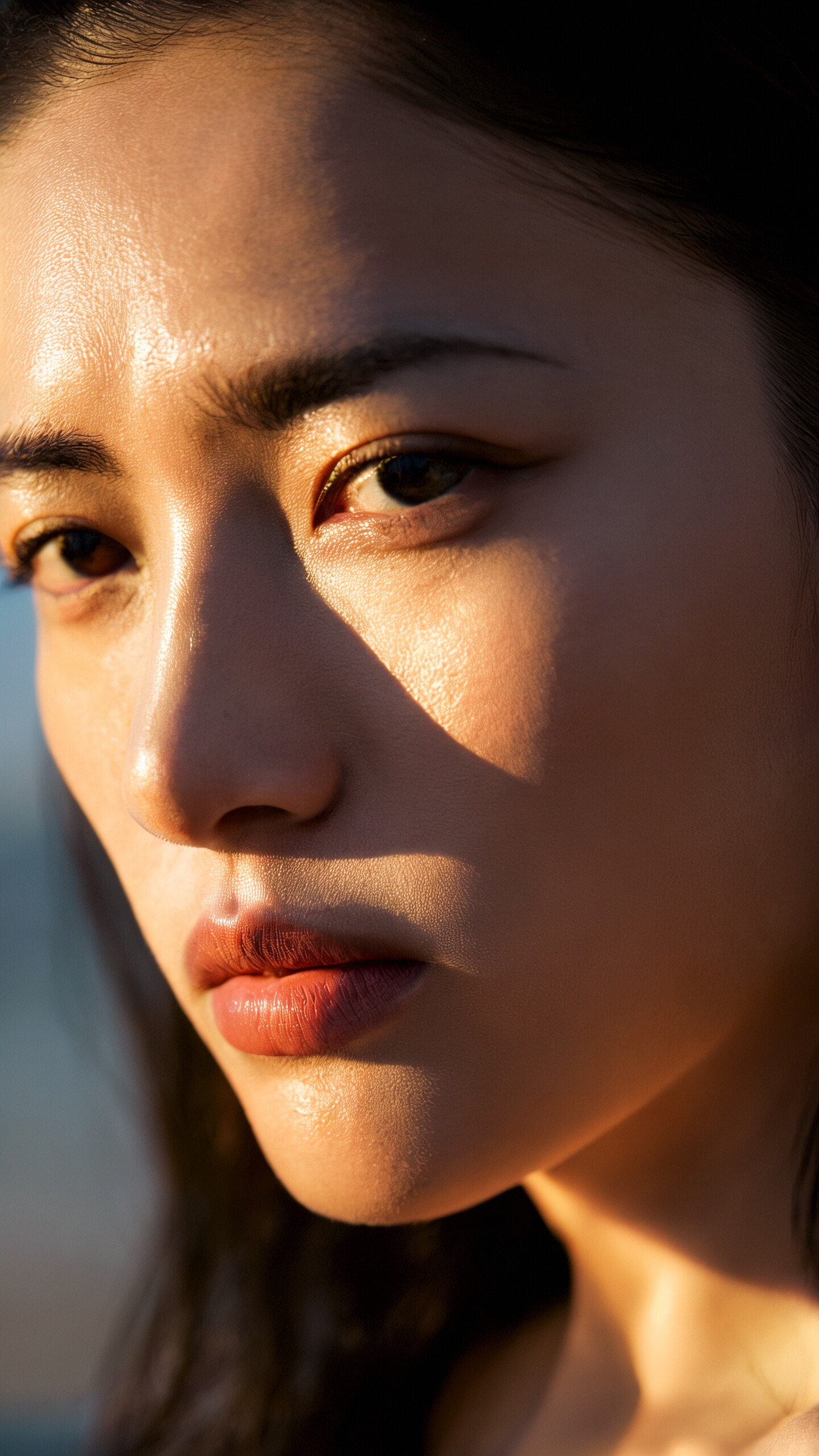
Extreme close-up | Extreme close-up lens | high-definition camera, emotional photography, sunset, extreme close-up portrait. |
|
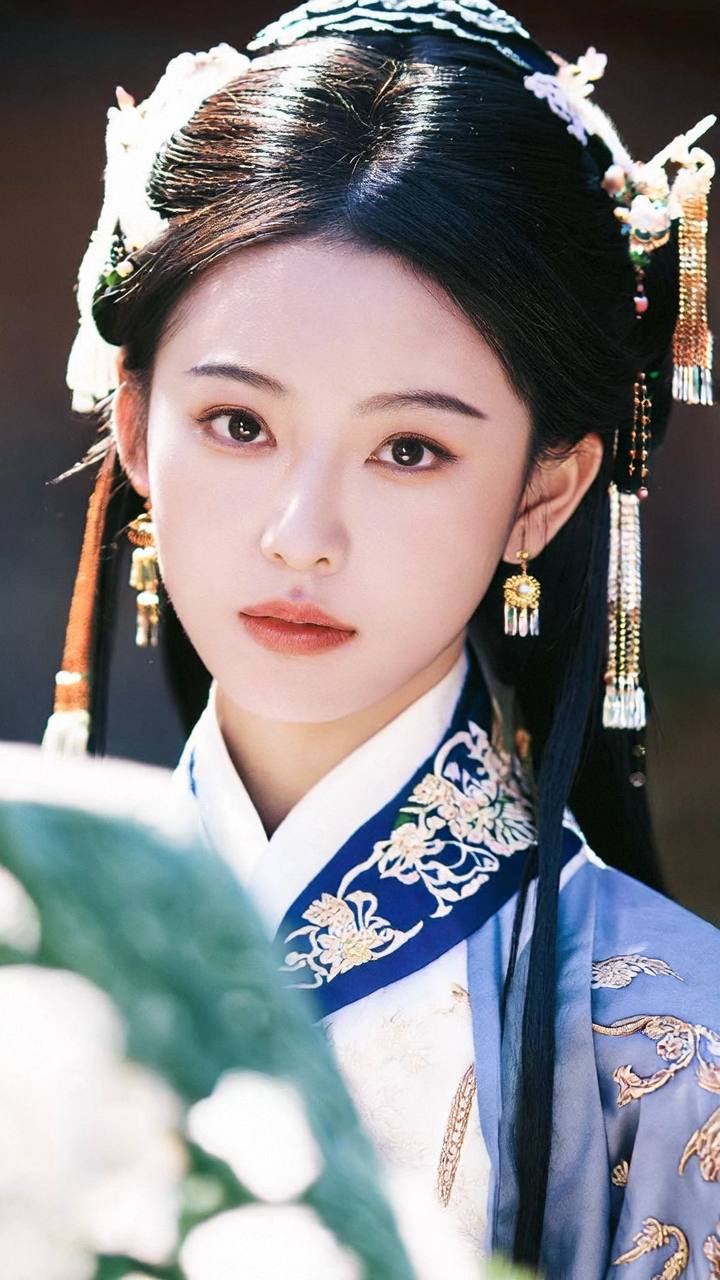
Close-up | Close-up lens | Close-up lens, 18-year-old Chinese girl, ancient costume, round face, looking at the camera, elegant ethnic costume, commercial photography, outdoor, cinematic lighting, half-body close-up, delicate light makeup, sharp edges. |
|
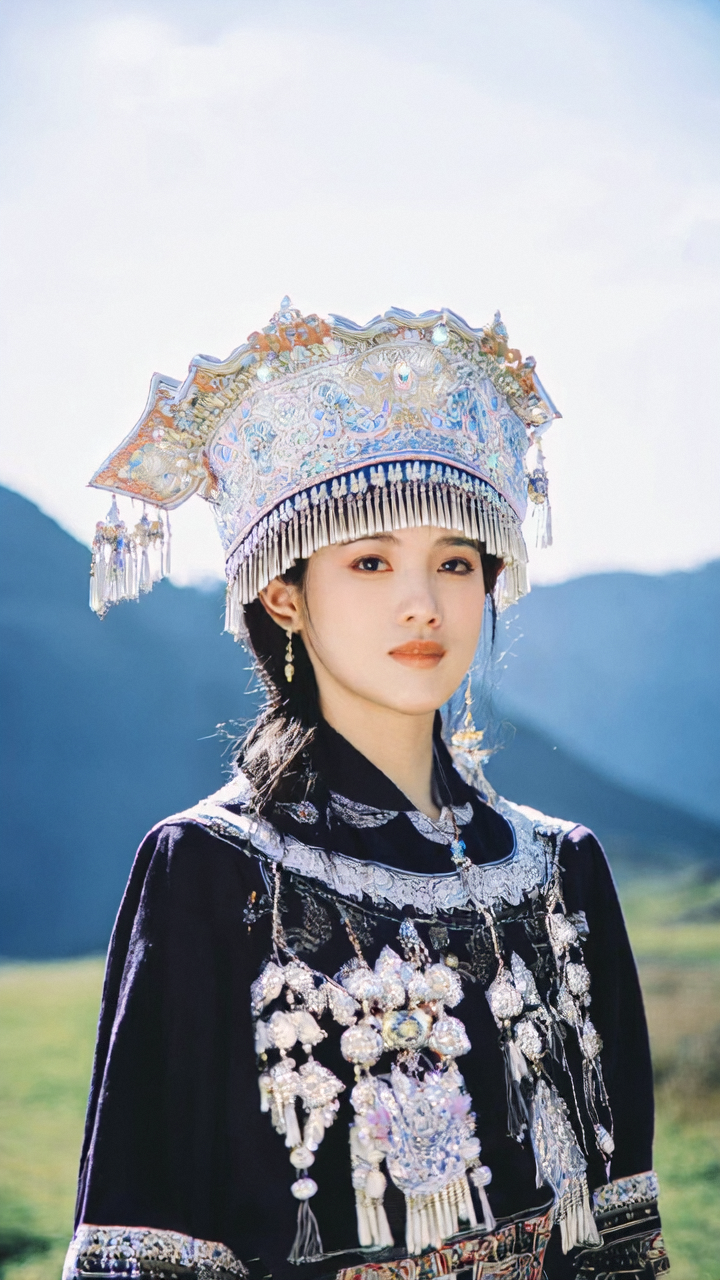
Medium shot | Medium shot lens | cinematic fashion glamour photography, young Asian woman, Chinese Miao girl, round face, looking at the camera, elegant dark ethnic costume, medium wide-angle lens, sunny, utopian, shot with a high-definition camera. |
|
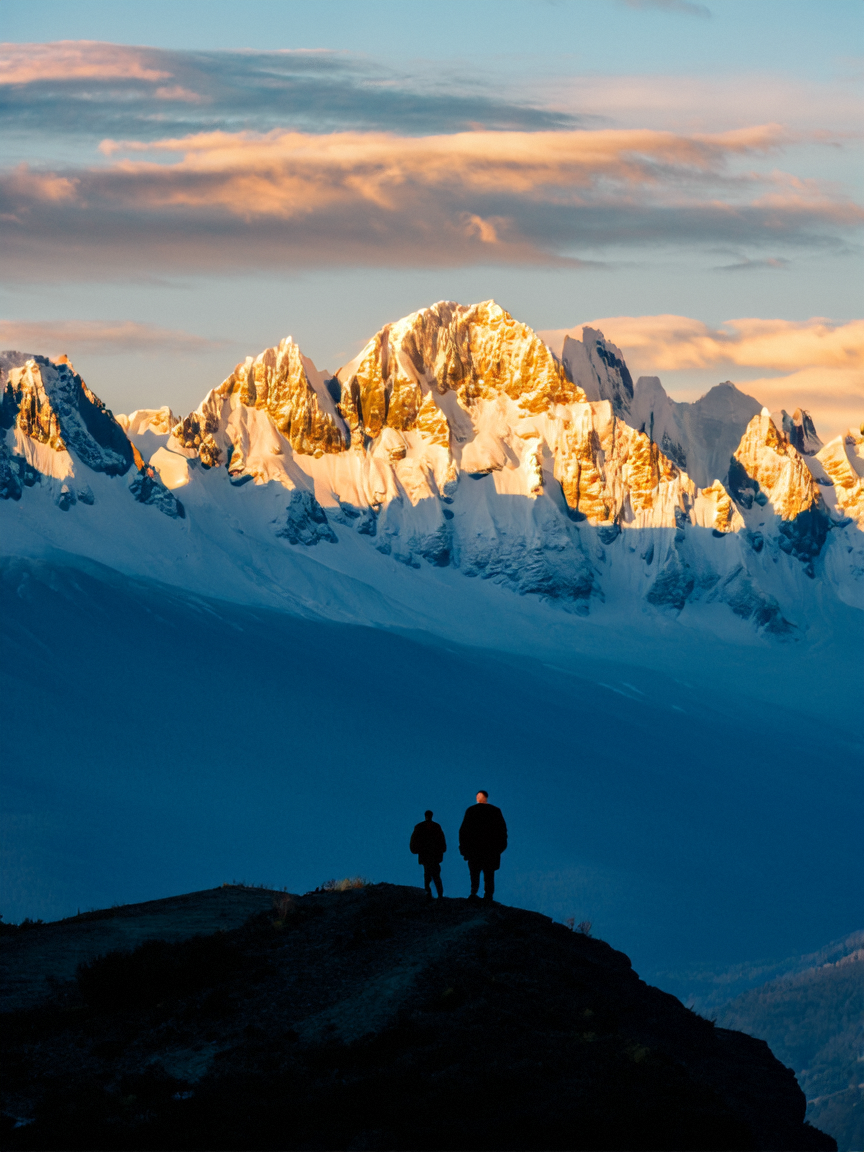
Long shot | Long shot lens | Shows a long shot: against a magnificent snowy mountain background, two small figures stand on a distant mountaintop with their backs to the camera, quietly admiring the beauty of the sunset. The afterglow of the setting sun bathes the snow-capped mountains in golden light, forming a sharp contrast with the azure sky. The two seem captivated by this spectacular natural scene, and the entire image is filled with tranquility and harmony. |
|
2. Perspective
Camera perspective is the viewing angle selected by the camera when capturing a frame. The following are some perspective examples:
Perspective type | Prompt example | Image result |
|---|---|---|
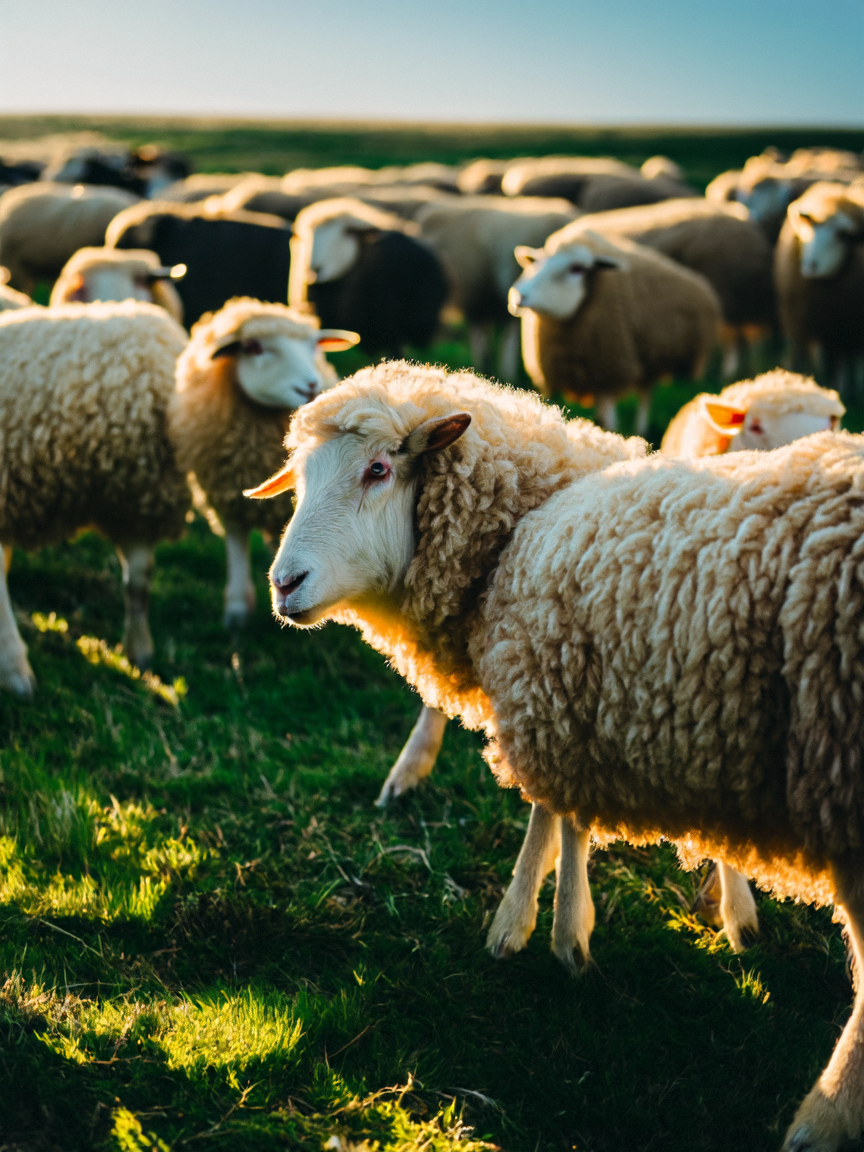
Eye level | Eye level perspective | The image shows a grassland scene captured from an eye level perspective, where a flock of sheep leisurely graze on the lush green grass, their wool glowing with a warm golden hue under the weak morning sunlight, creating beautiful light and shadow effects. |
|
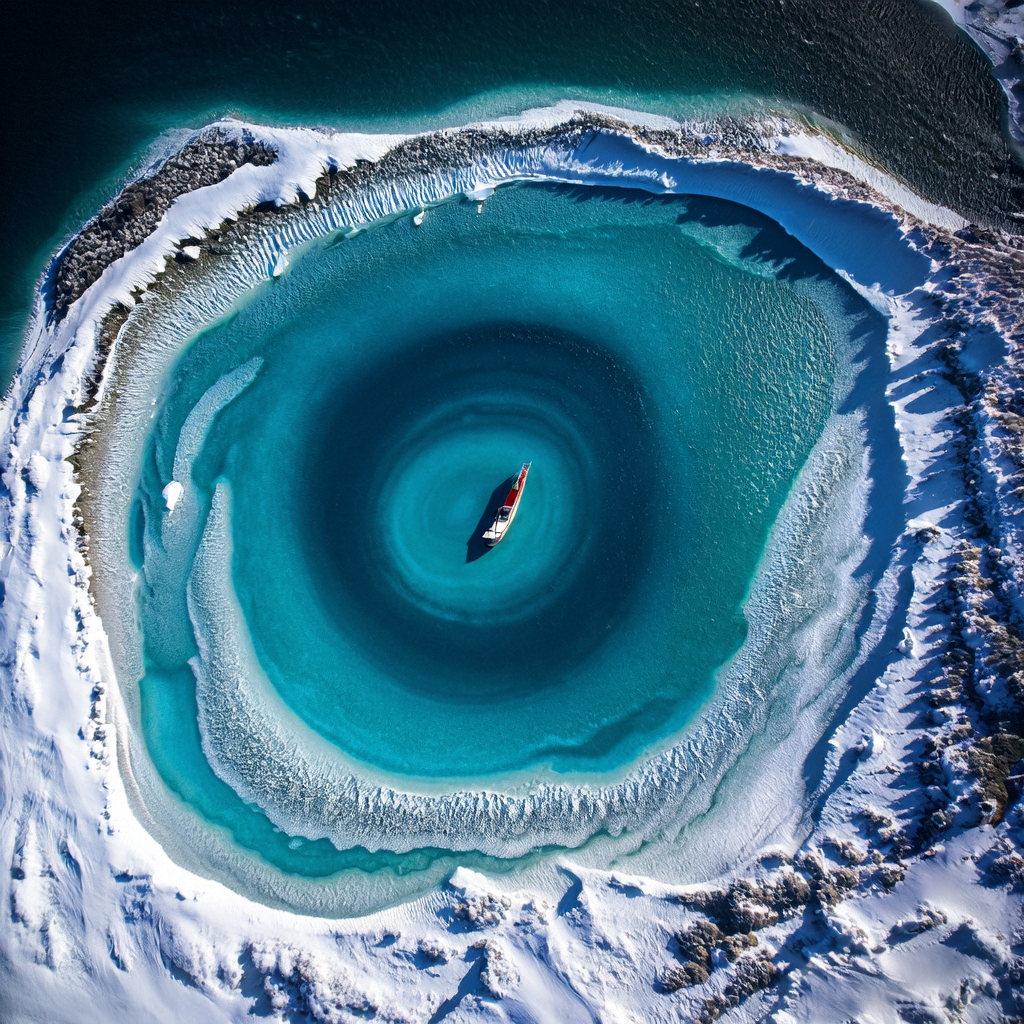
Bird's eye | Bird's eye perspective | I look down at the ice lake from the air, with a small boat in the center, surrounded by vortex patterns and vibrant blue seawater. Spiral abyss, the scene is shot from above in a top-down perspective, showing intricate details such as ripples on the surface and layers beneath the snow-covered ground. Gazing out at the cold vast expanse. Creating an awe-inspiring sense of tranquility. |
|
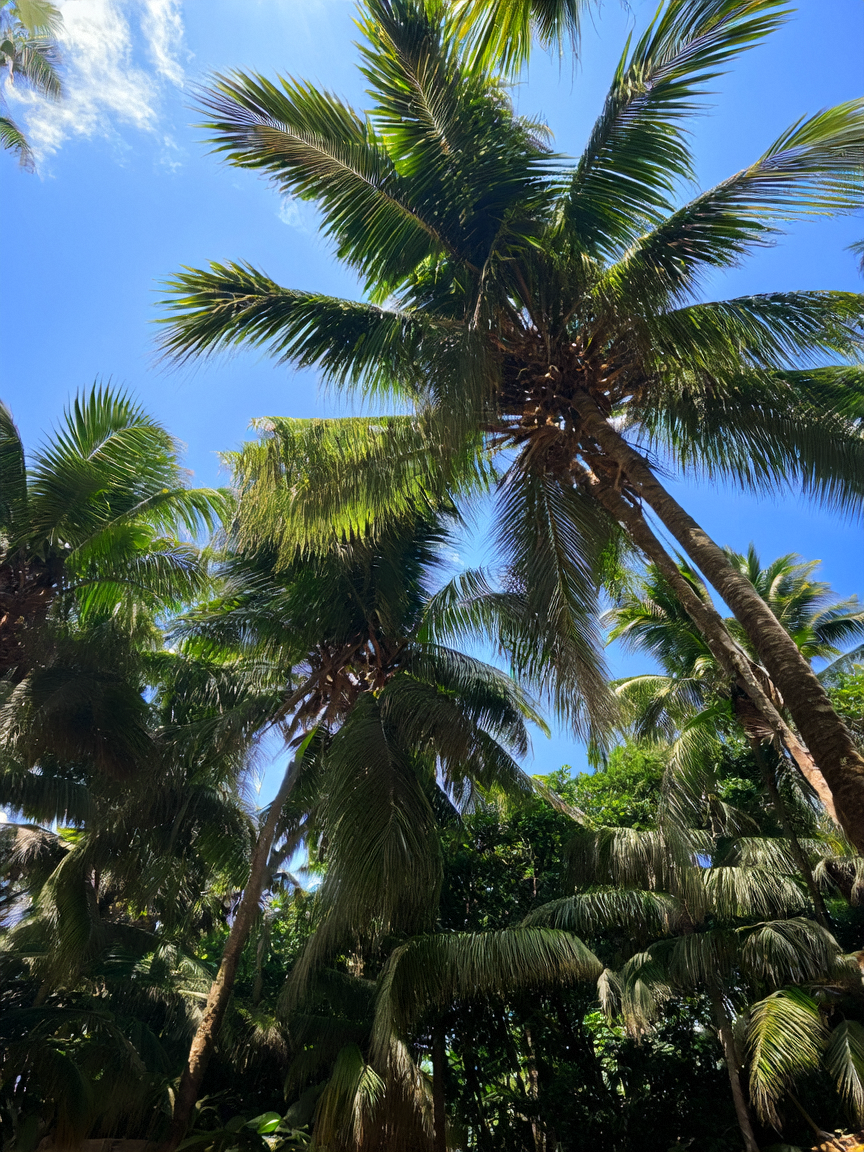
Low angle | Low angle perspective | Shows a spectacular scene in a tropical area, where tall coconut trees stand like towering giants, with lush branches pointing towards the blue sky. The camera uses a low angle perspective, making viewers feel as if they are standing under the trees, experiencing the majesty and vitality of nature. Sunlight filters through the gaps in the leaves, creating dappled light and shadow, adding a touch of mystery and romance. The entire image is filled with tropical flavor, making one almost smell the coconut fragrance and feel the pleasant breeze on their face. |
|
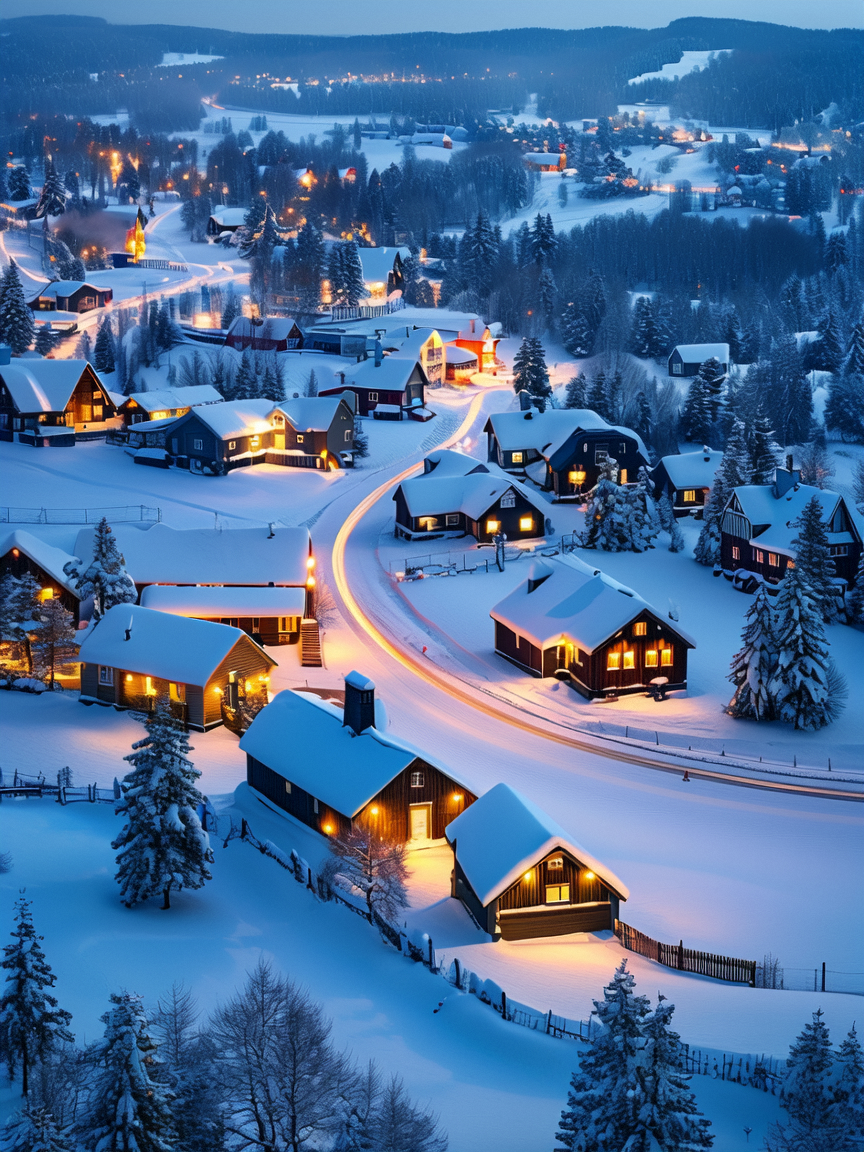
Aerial | Aerial perspective | Shows heavy snow, village, roads, lights, trees. Aerial perspective, realistic effect. |
|
3. Lens type
Lens type refers to the different categories of camera lenses divided by focal length, function, application scenario, and so on. The following are some lens type examples:
Lens type | Prompt example | Image result |
|---|---|---|
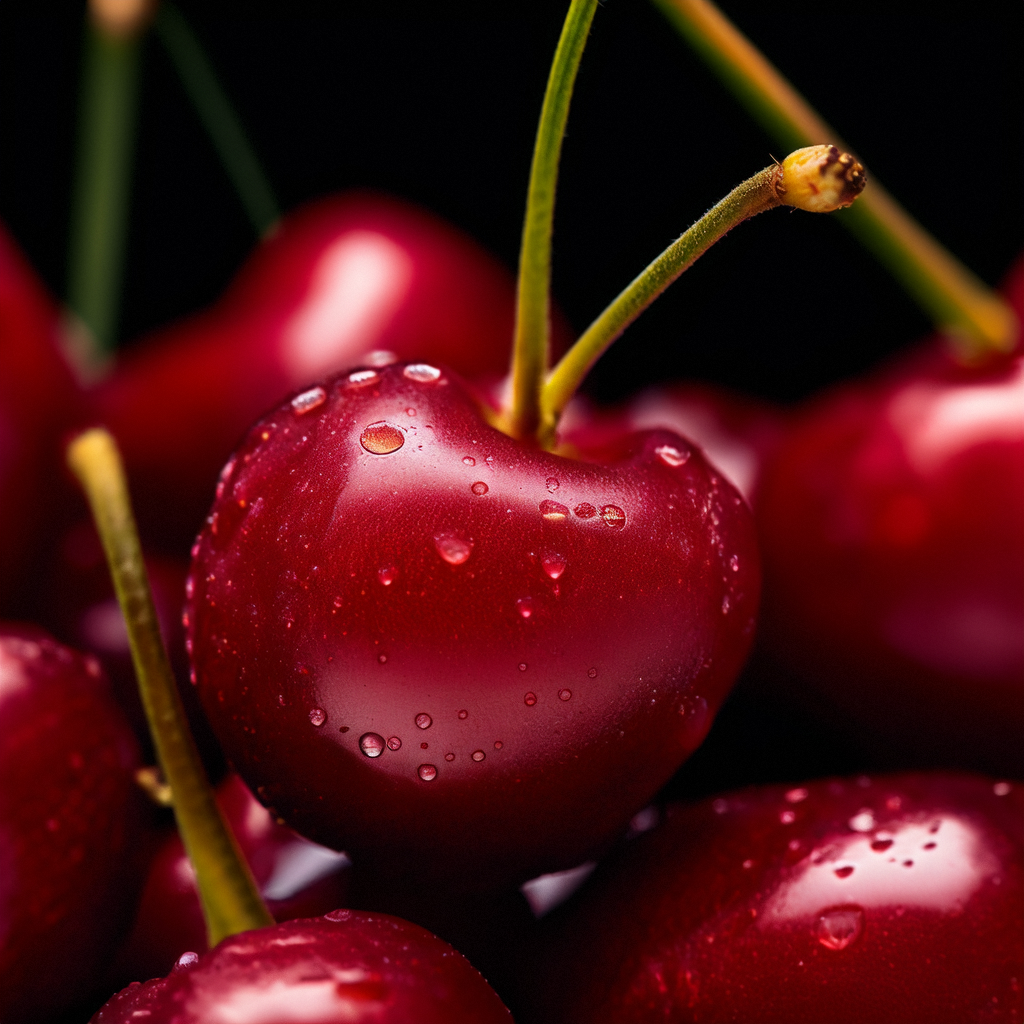
Macro | Macro lens | cherries, carbonated water, macro, professional-grade color grading, sharp and clear focus, commercial-grade high quality, magazine cover level, hyper realistic, ultra high definition, 8K |
|
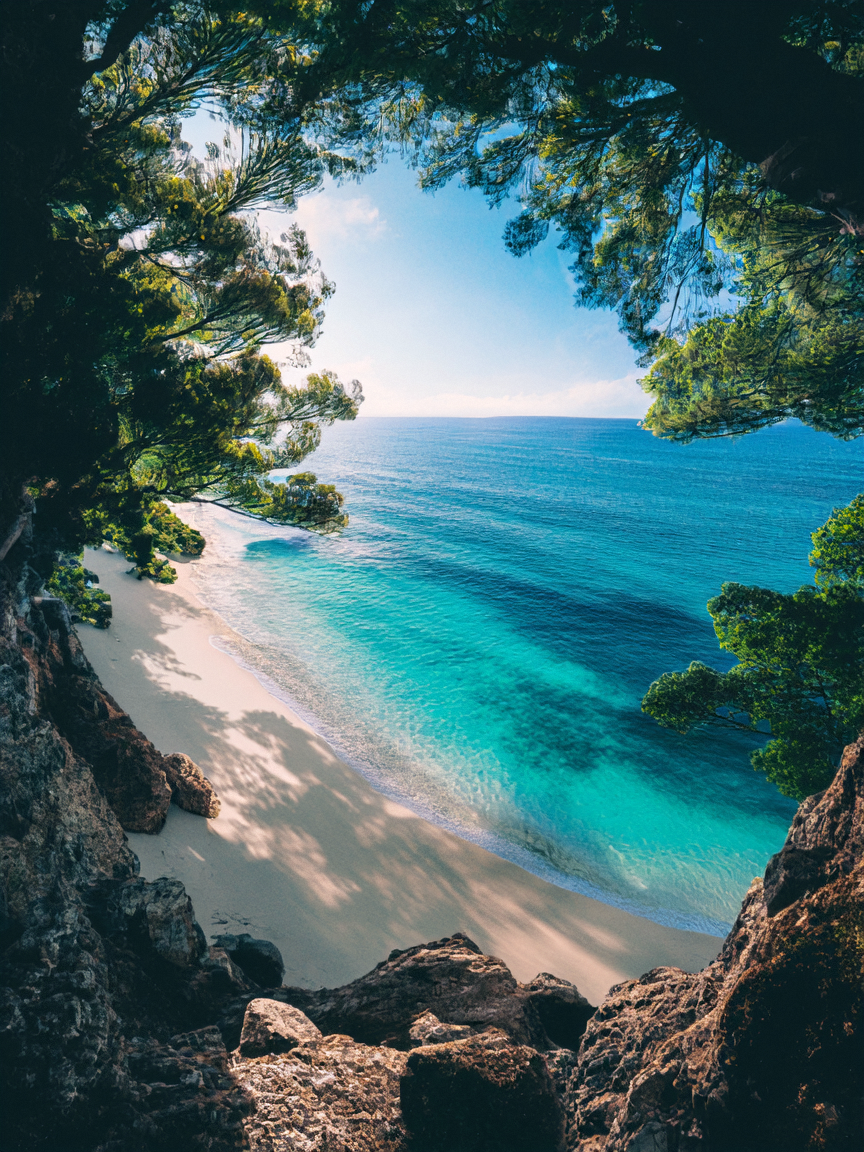
Ultra-wide angle | Ultra-wide angle lens | Ultra-wide angle lens, island under blue sea and sky, sunlight filtering through the gaps in the leaves, casting dappled light and shadow. |
|
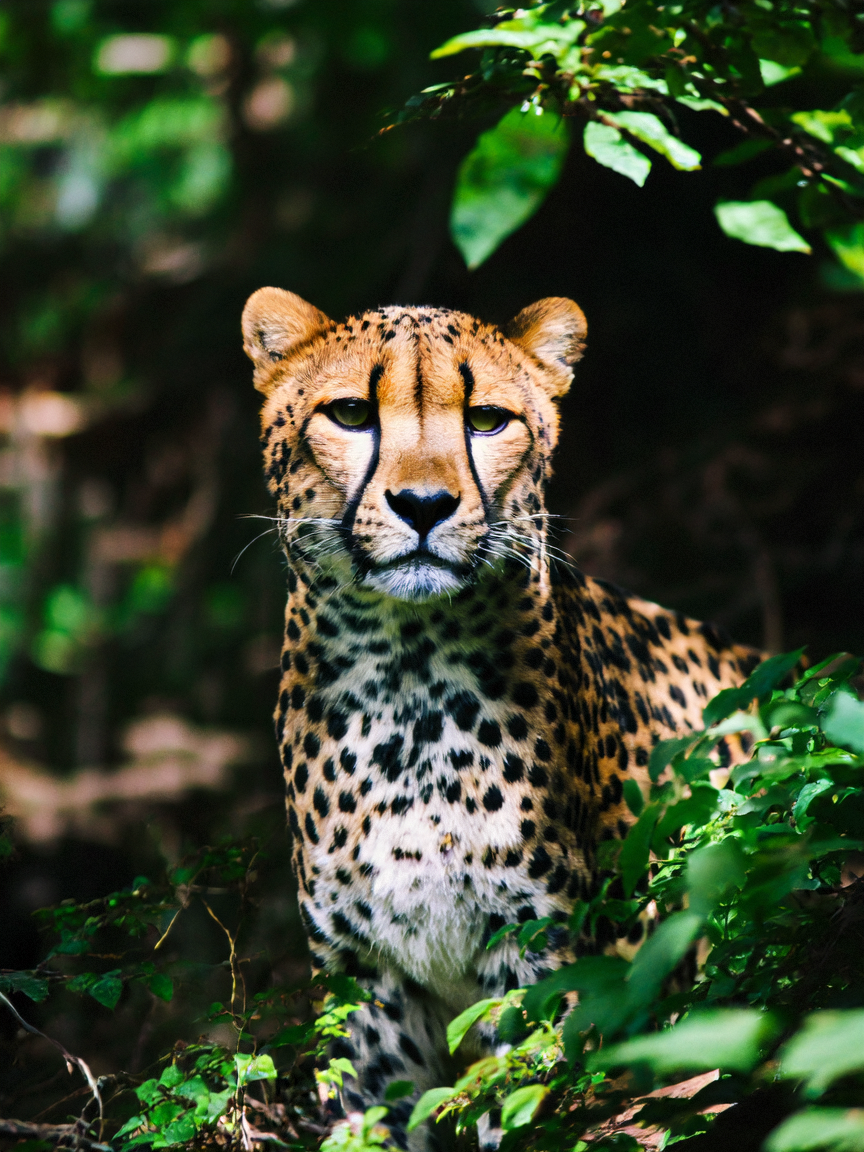
Telephoto | Telephoto lens | Shows a cheetah standing in a lush forest under a telephoto lens, facing the camera, with the background cleverly blurred, making the cheetah's face the absolute focus of the image. Sunlight filters through the gaps in the leaves, falling on the cheetah and creating dappled light and shadow effects that enhance the visual impact. |
|
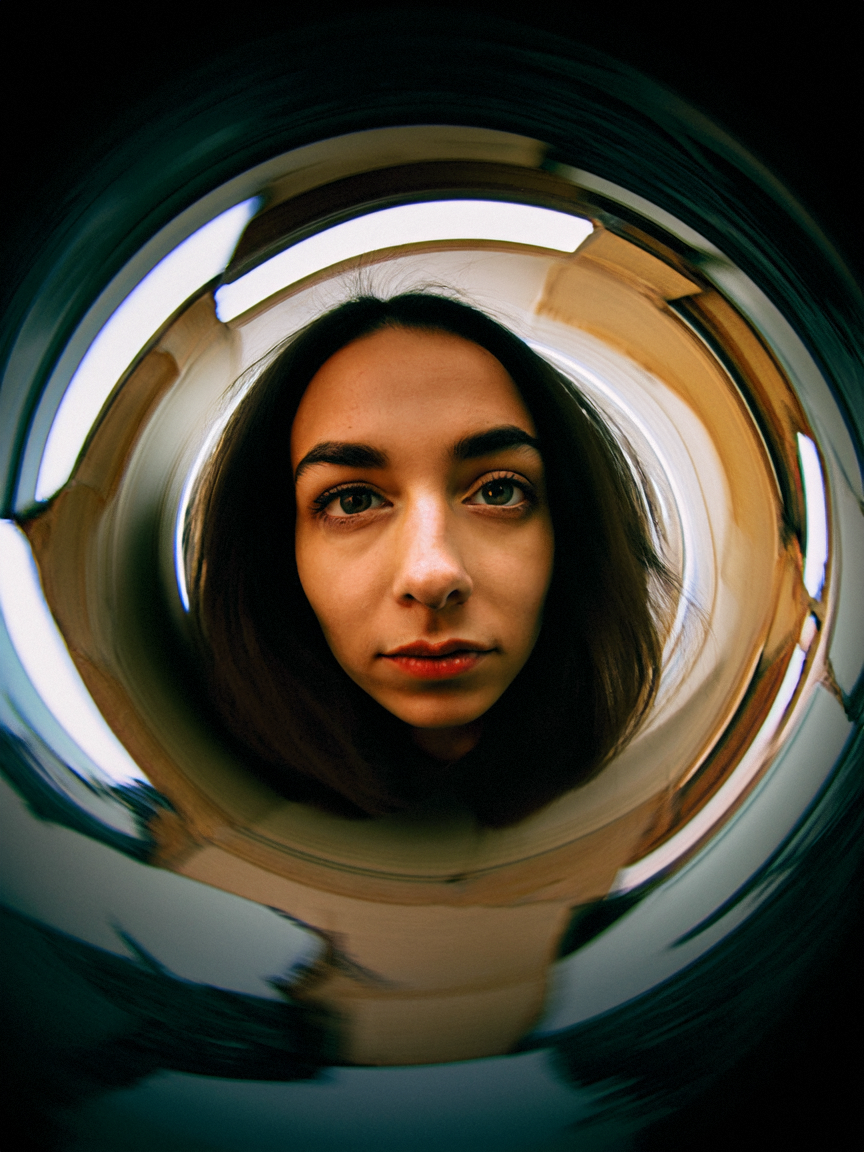
Fisheye | Fisheye lens | Shows a scene where a woman stands and looks directly at the camera under the special perspective of a fisheye lens. Her image is exaggeratedly enlarged in the center of the frame, while the surroundings show strong distortion effects, creating a unique visual impact. |
|
4. Style
Defining a style means explicitly describing the specific artistic style, technique, or visual characteristics that the image should have. The following are some style examples:
Style type | Prompt example | Image result |
|---|---|---|
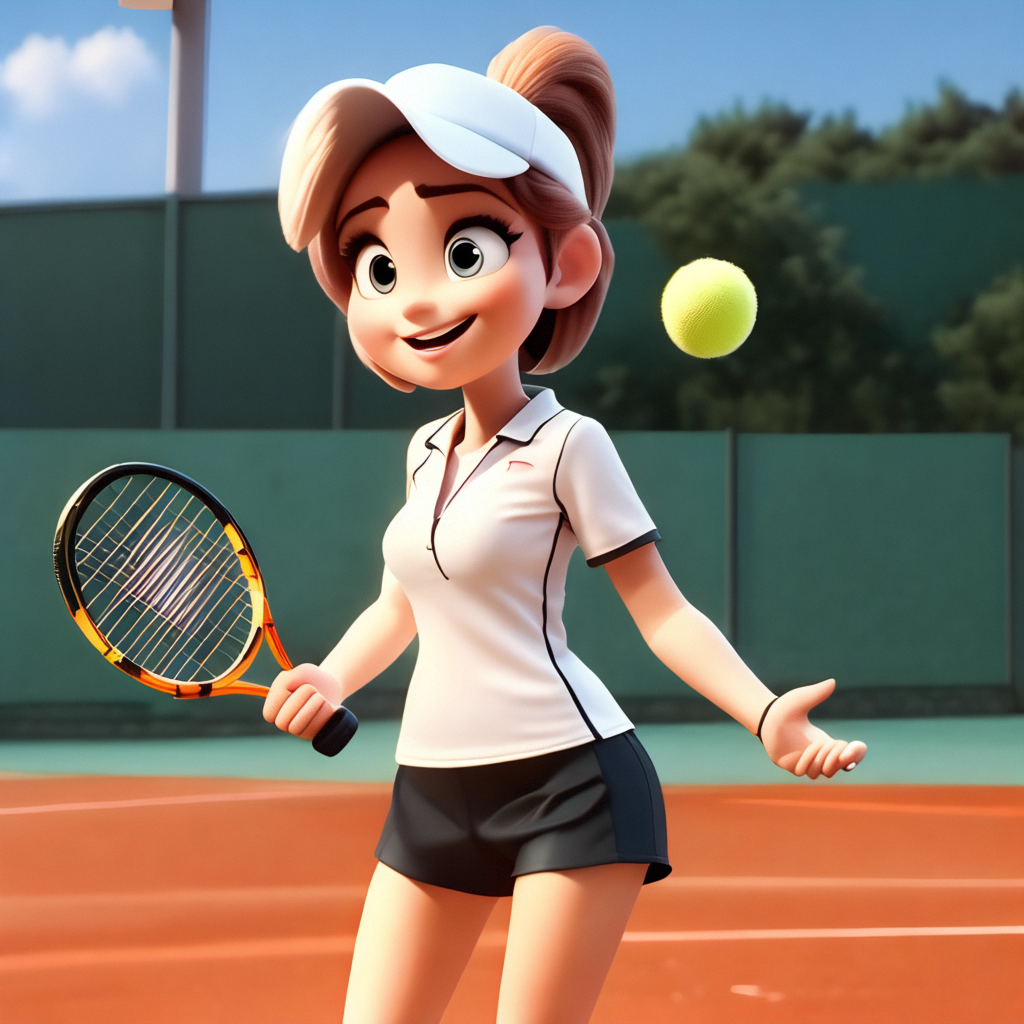
3D cartoon | Female tennis player, short hair, white tennis outfit, black shorts, returning the ball from the side, 3D cartoon style. |
|
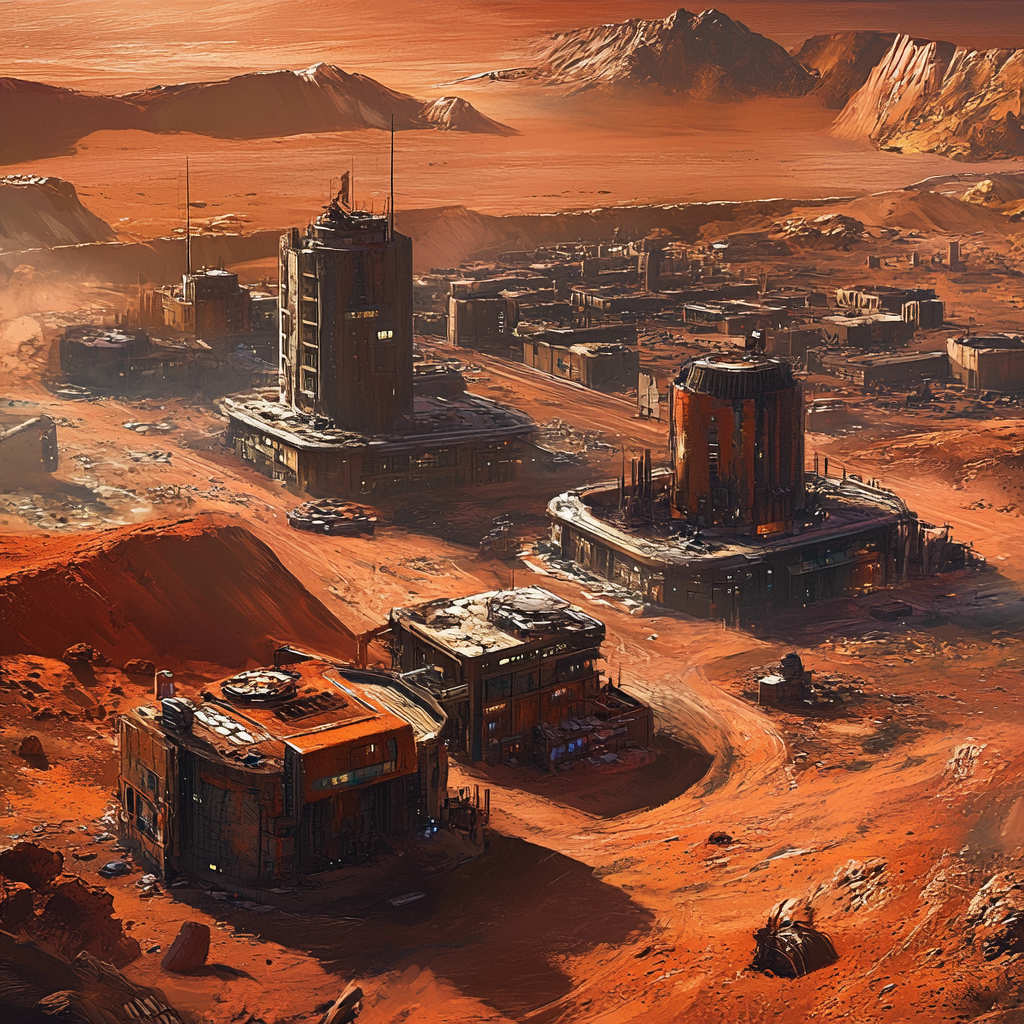
Post-apocalyptic | City on Mars, post-apocalyptic style. |
|
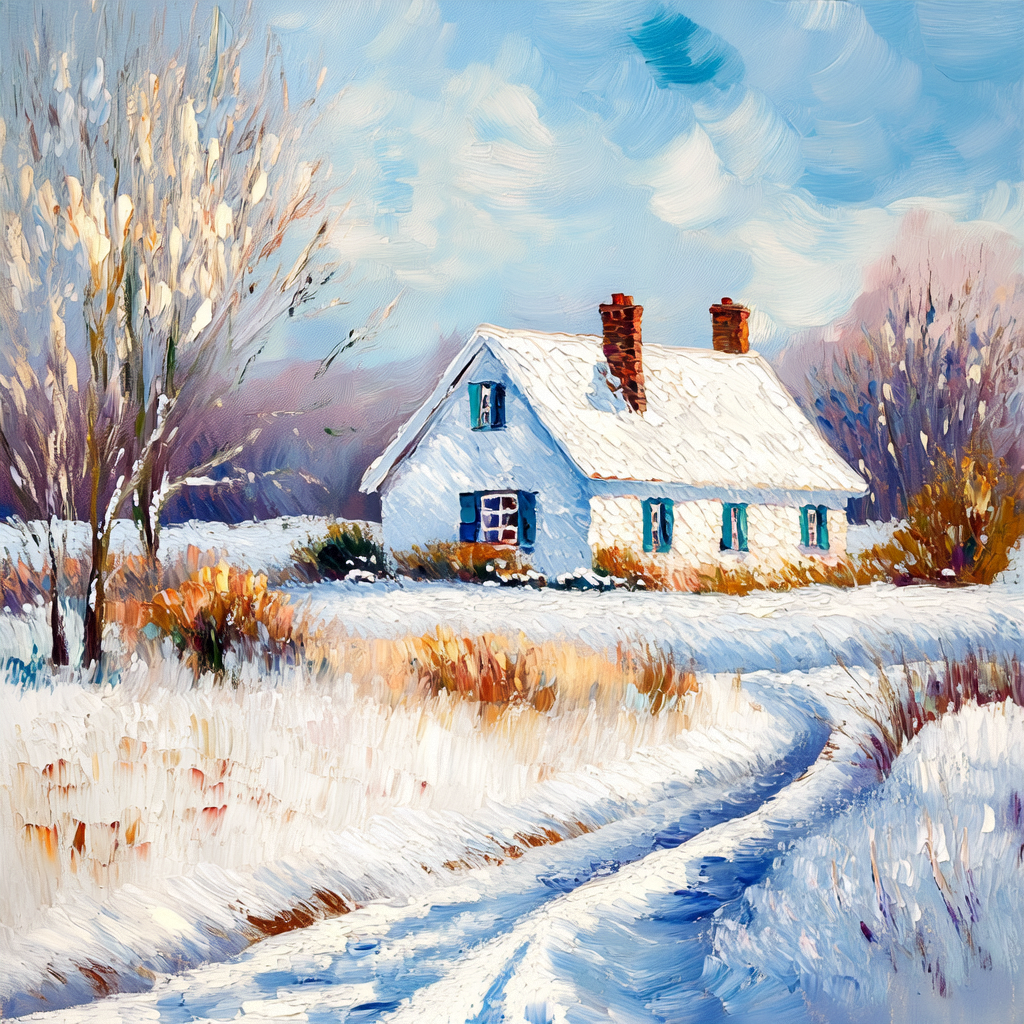
Pointillism | A cute white little house, thatched roof, a snow-covered prairie, bold use of pointillism, Monet feel, clear brushstrokes, blurred edges, primitive edge texture, low saturation colors, low contrast, Morandi colors. |
|
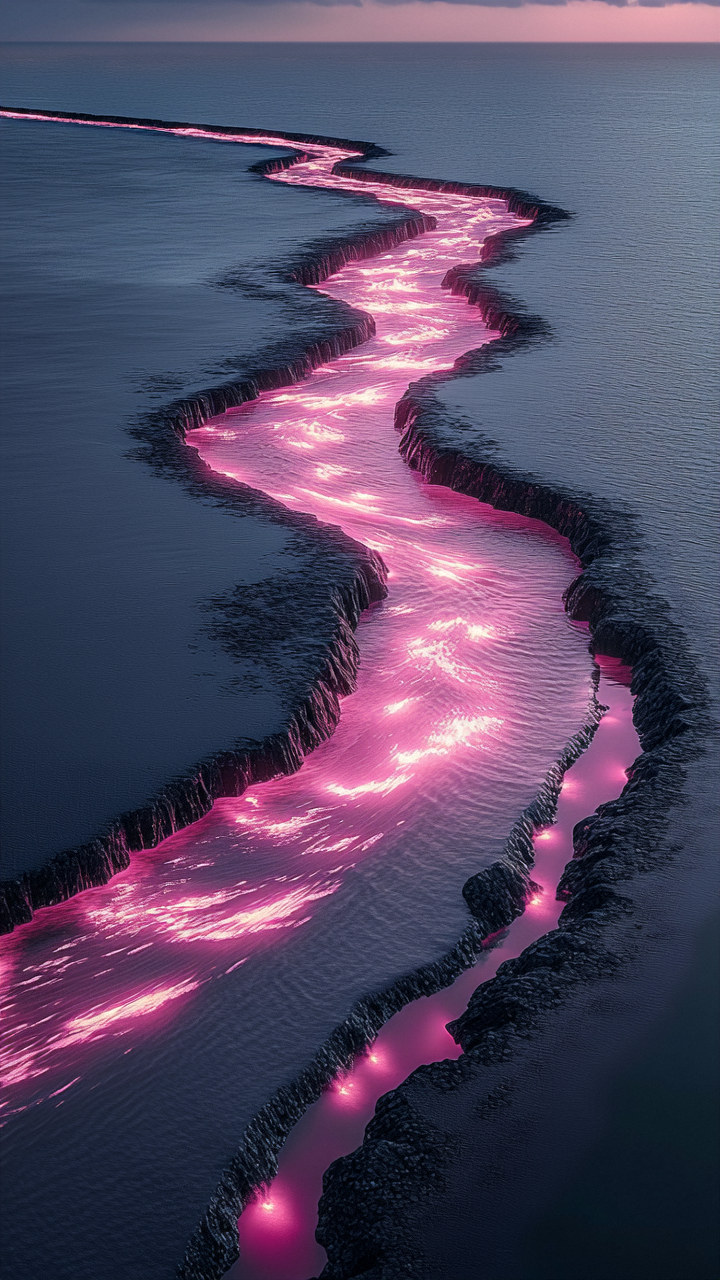
Surrealism | A pink glowing river in a deep gray sea, with a minimalist, beautiful, and aesthetic atmosphere, cinematic lighting with a surrealist style. |
|
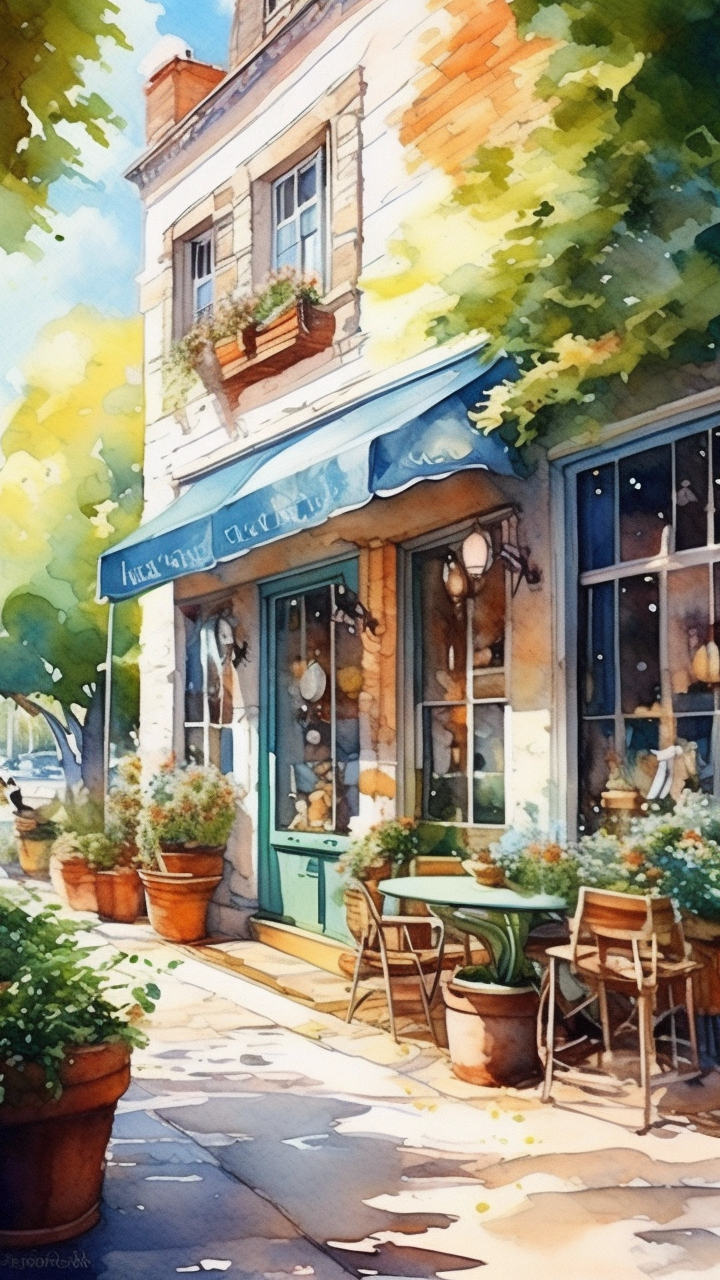
Watercolor | Light watercolor, outside a cafe, bright white background, fewer details, dreamy, Studio Ghibli. |
|
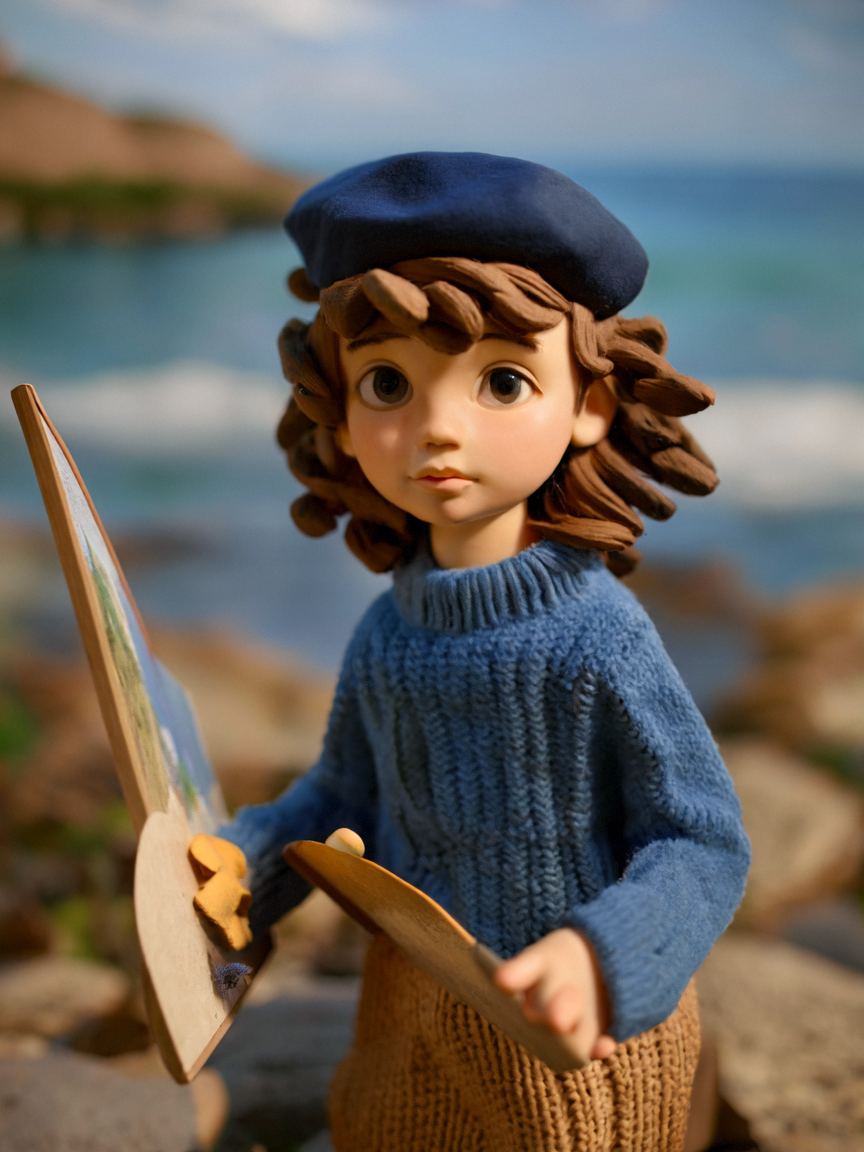
Clay | Clay style, little boy in a blue sweater, brown curly hair, dark blue beret, drawing board, outdoors, seaside, half-body shot. |
|
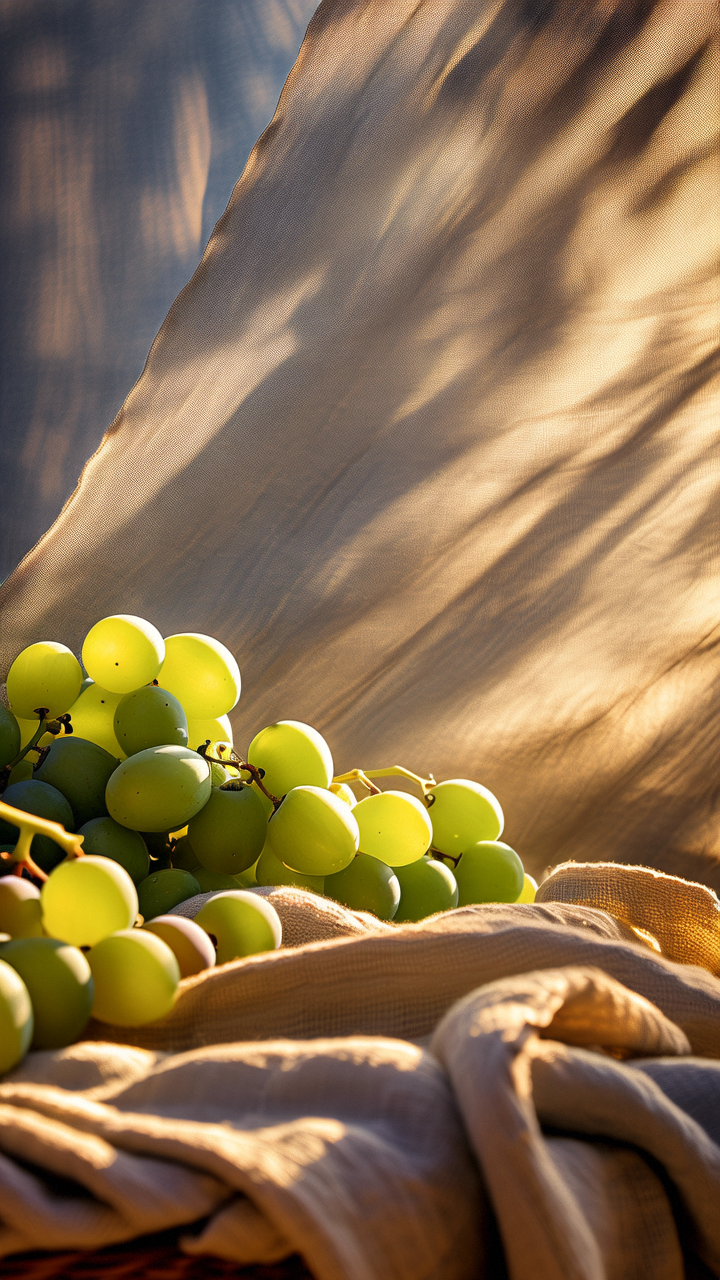
Realistic | Basket, grapes, picnic cloth, hyper realistic still life photography, macro lens, Tyndall effect. |
|
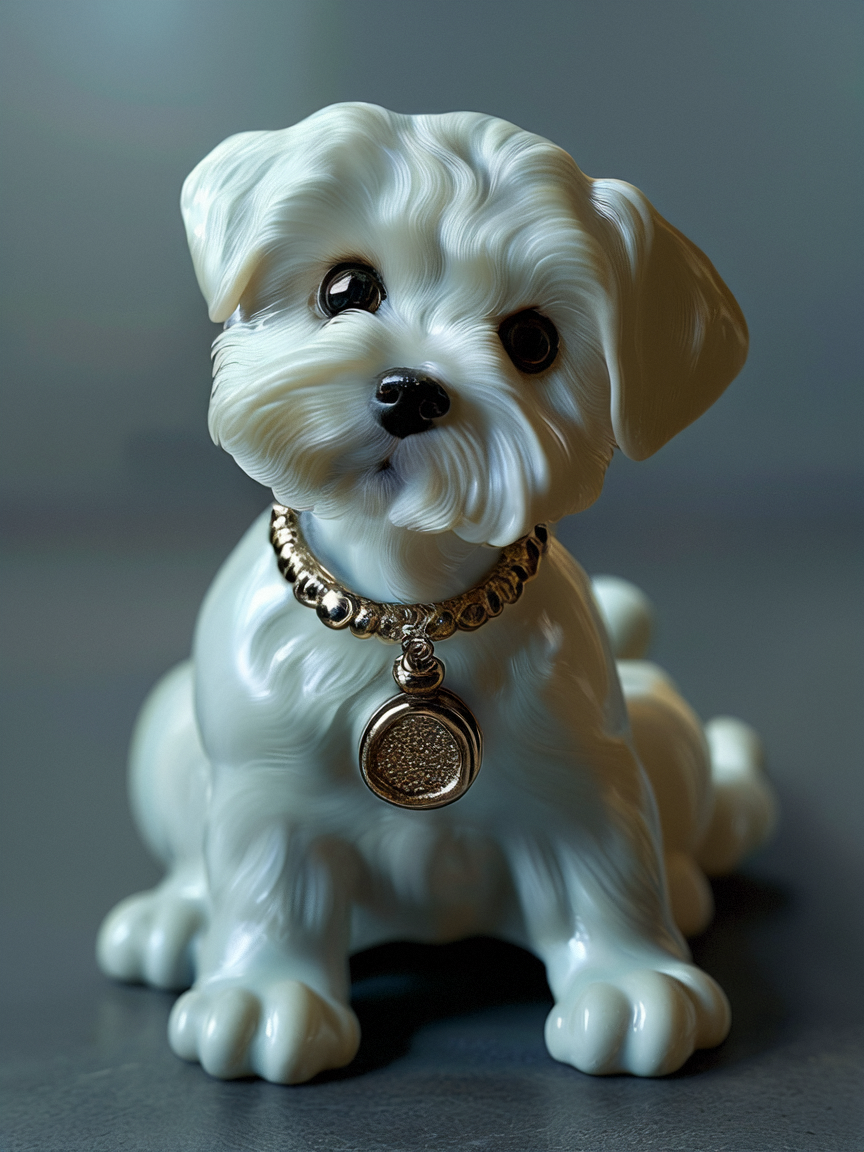
Ceramic | Shows a highly detailed ceramic puppy lying quietly on a table with a delicate bell tied around its neck. Each strand of the puppy's fur is intricately carved, and the details of its eyes, nose, and mouth are lifelike. |
|
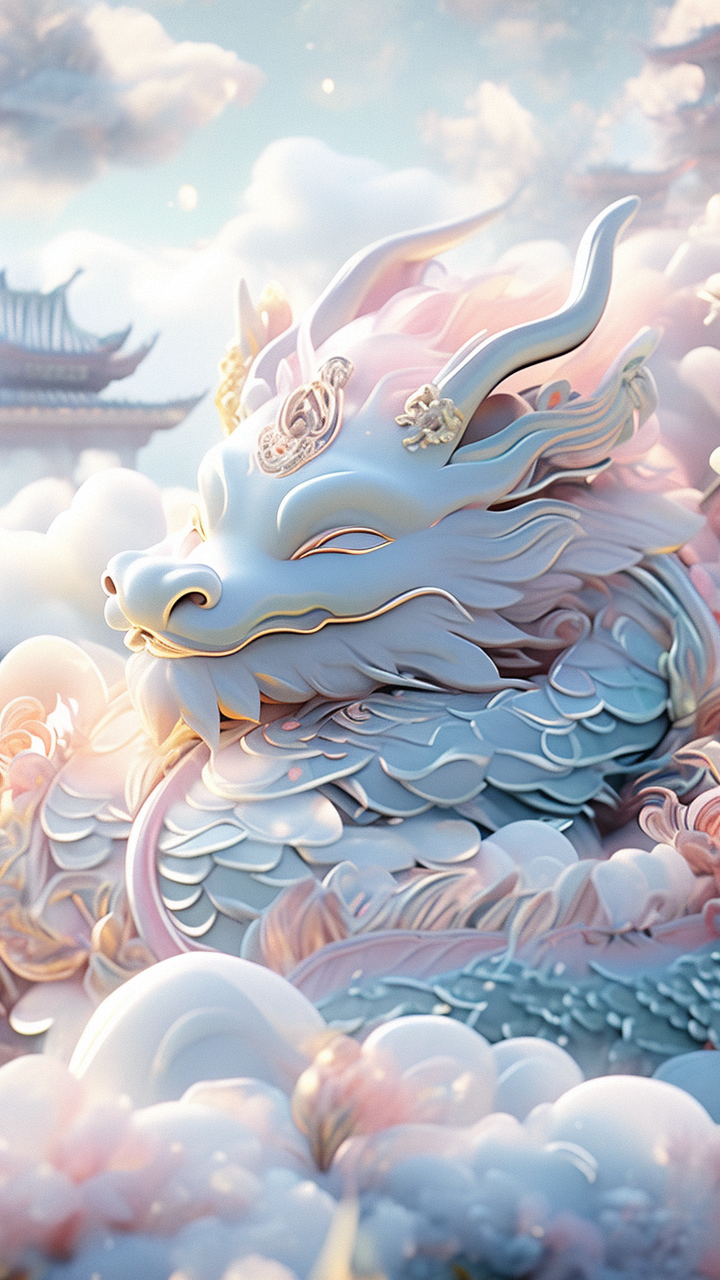
3D | Chinese dragon, cute Chinese dragon sleeping on white clouds, charming garden, in morning mist, close-up, front view, 3D, C4D rendering, 32k ultra high definition, 32k UHD, Chinese punk, 32k UHD, animal statue, octane rendering, ultra high definition. |
|
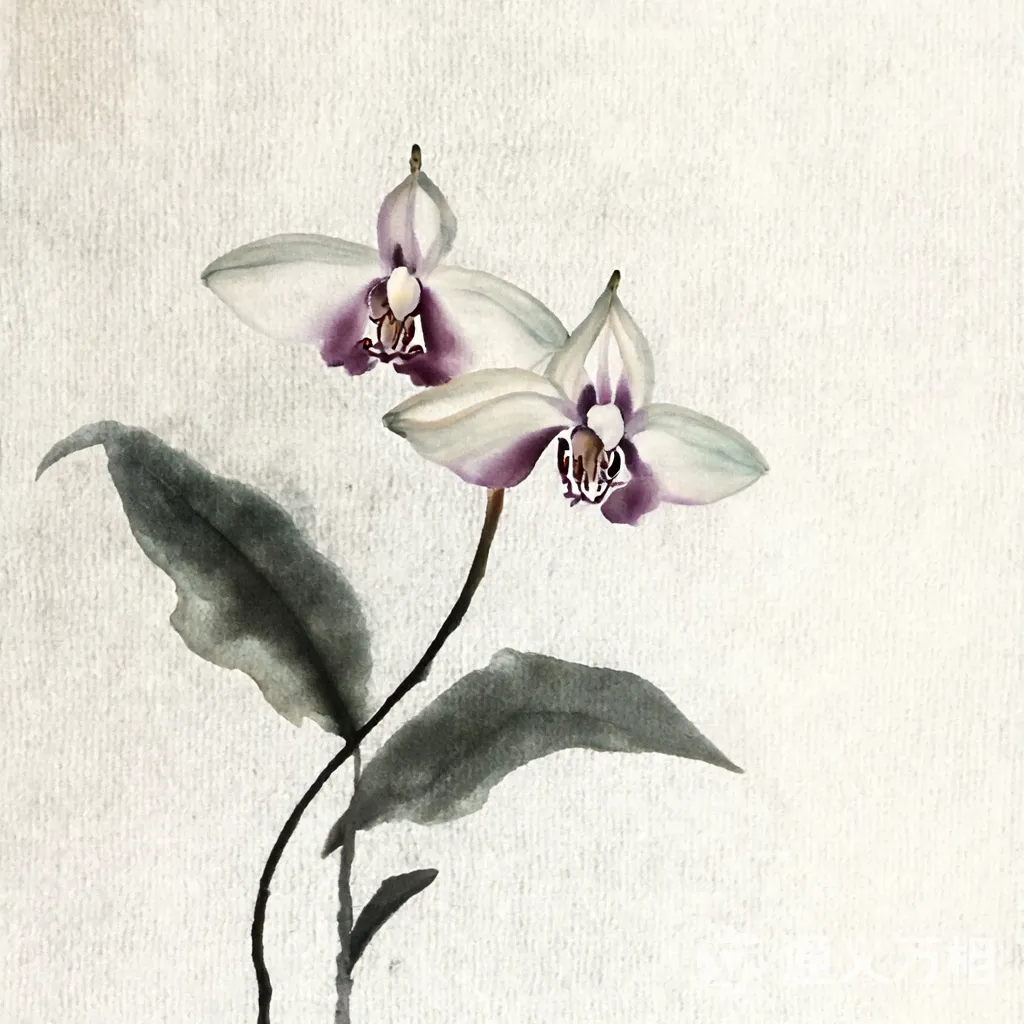
Ink painting | Orchid, ink painting, white space, artistic conception, Wu Guanzhong style, delicate brushstrokes, texture of rice paper. |
|
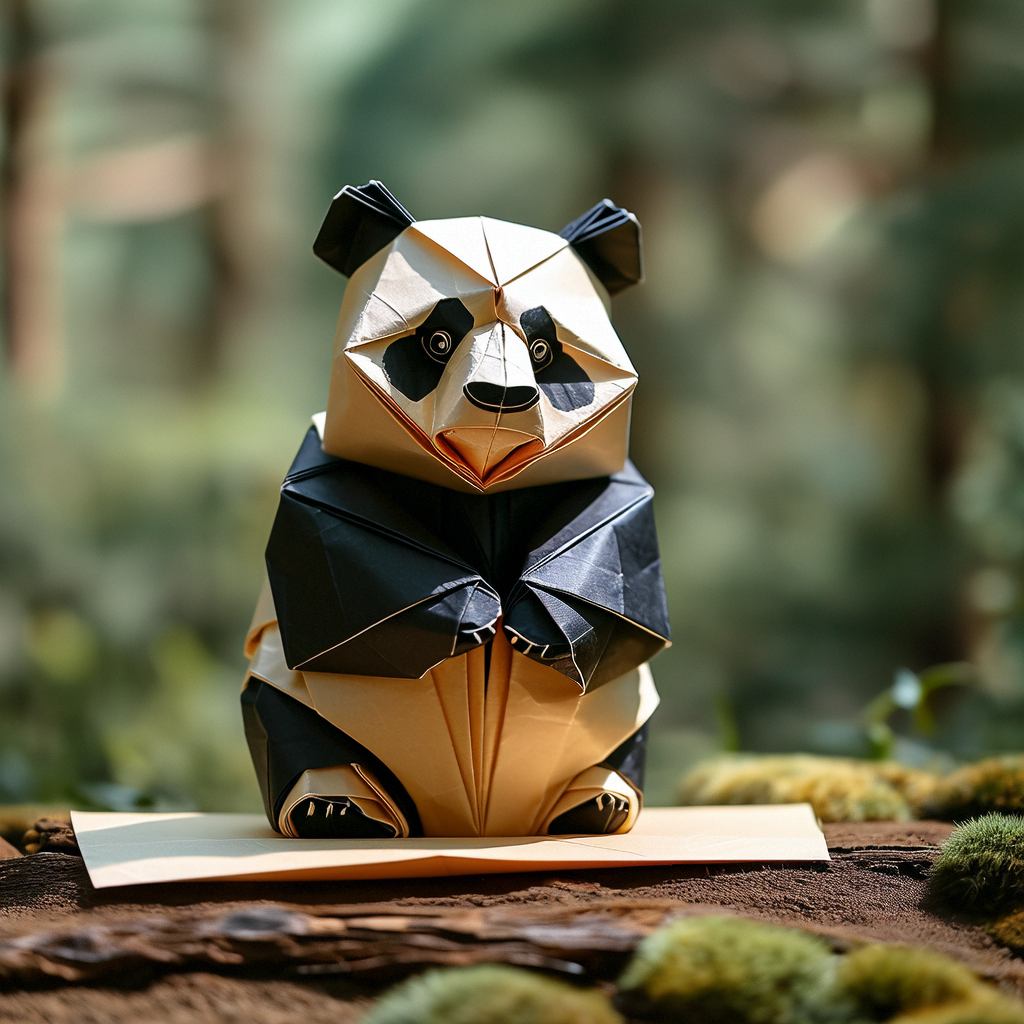
Origami | Origami masterpiece, kraft paper panda, forest background, medium shot, minimalism, backlight, best quality. |
|
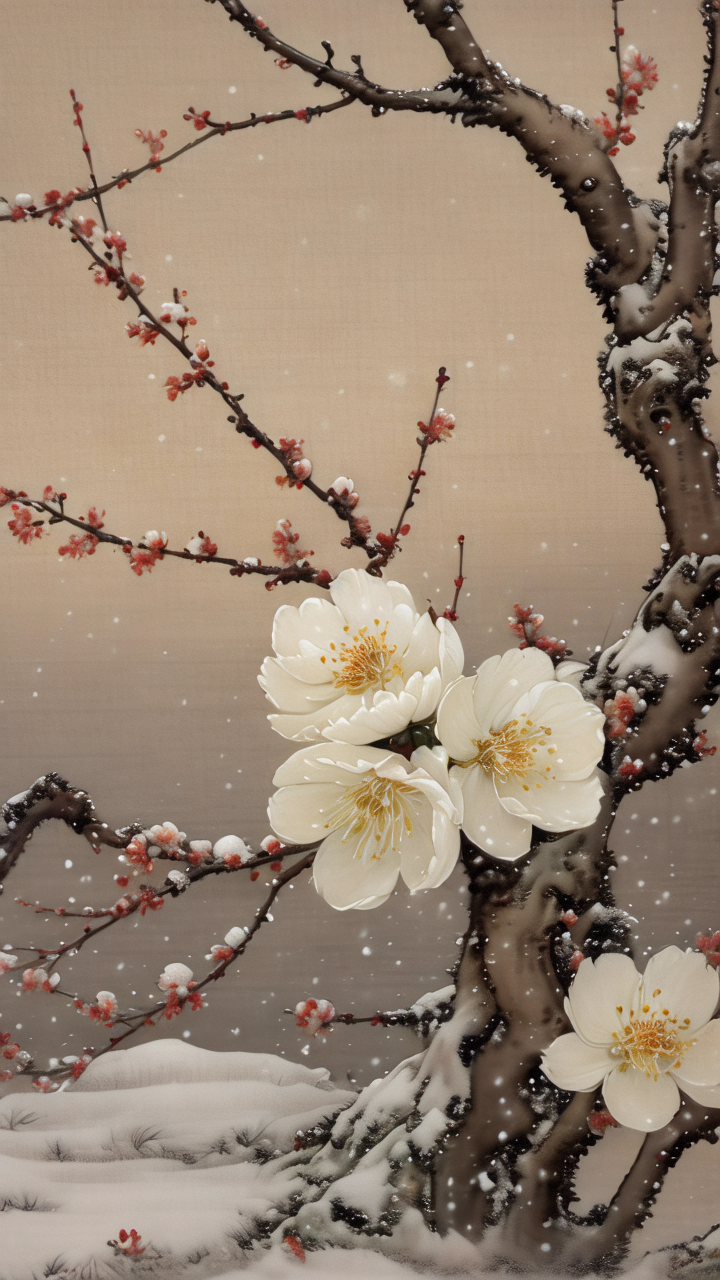
Gongbi | At dawn, a plum blossom stands proudly in the snow, with petals as delicate as silk and dewdrops lightly hanging, showcasing the exquisite beauty of Gongbi painting |
|
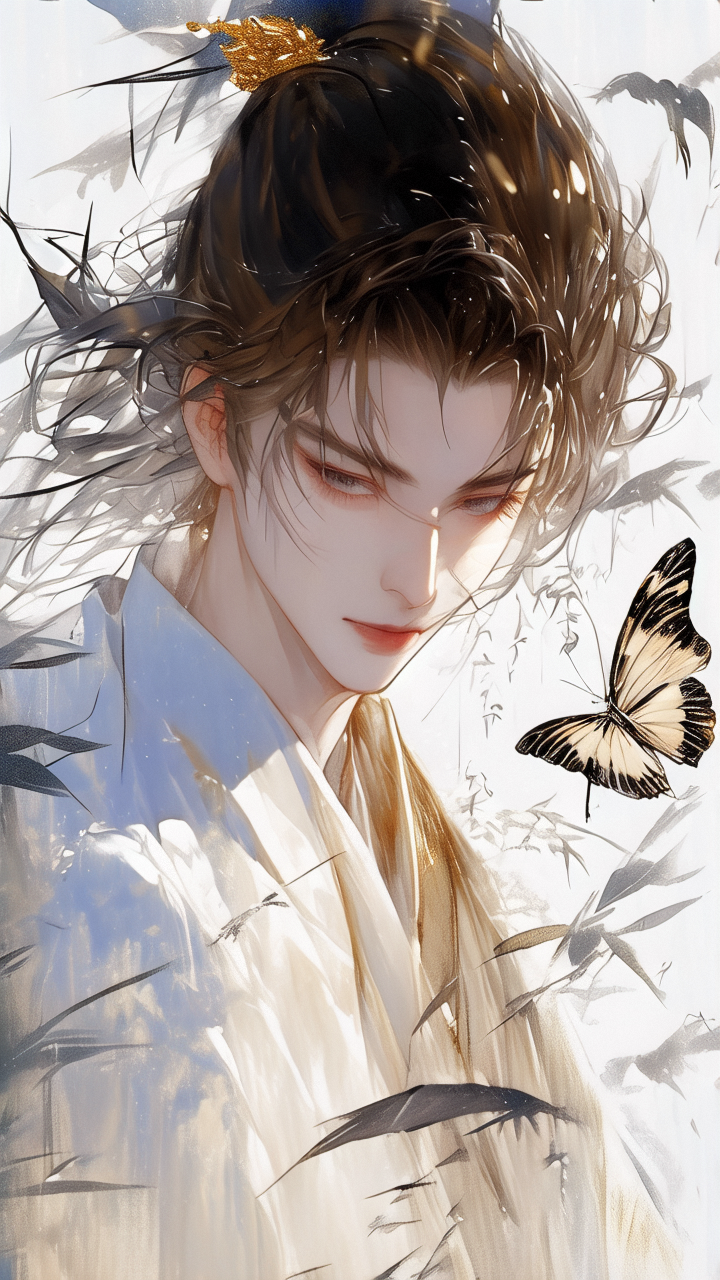
Chinese ink | Chinese ink style, a man with long black hair, golden hairpin, golden butterflies flying around, white clothing, high detail, high quality, deep blue background, with a faintly visible ink bamboo forest in the background. |
|
5. Lighting
Different lighting types can create various atmospheres and effects to meet different creative needs. The following are some lighting examples:
Lighting type | Prompt example | Image result |
|---|---|---|
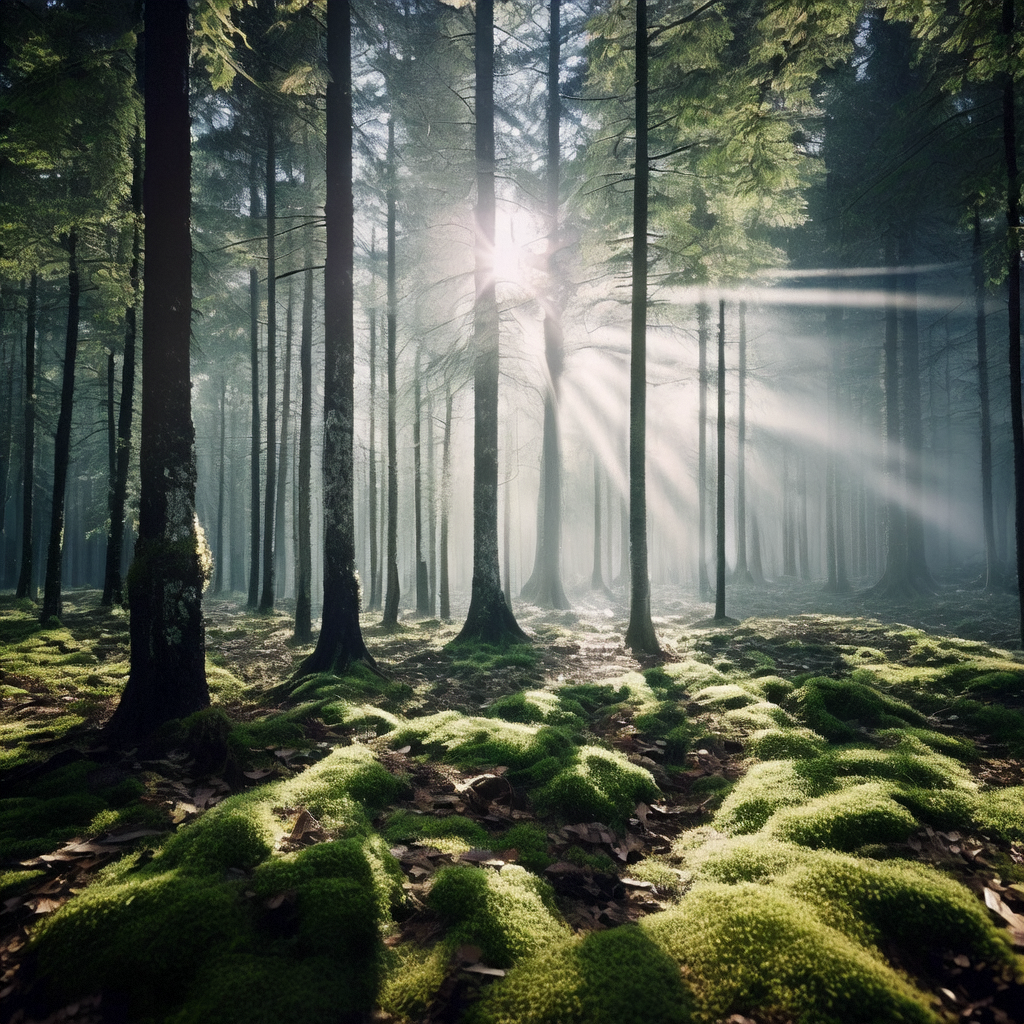
Natural light | Sunlight, moonlight, starlight | The image shows morning sunlight streaming onto the ground of a dense forest, with silver-white rays penetrating the treetops, creating dappled and varied light and shadow, and a realistic, serene atmosphere. |
|
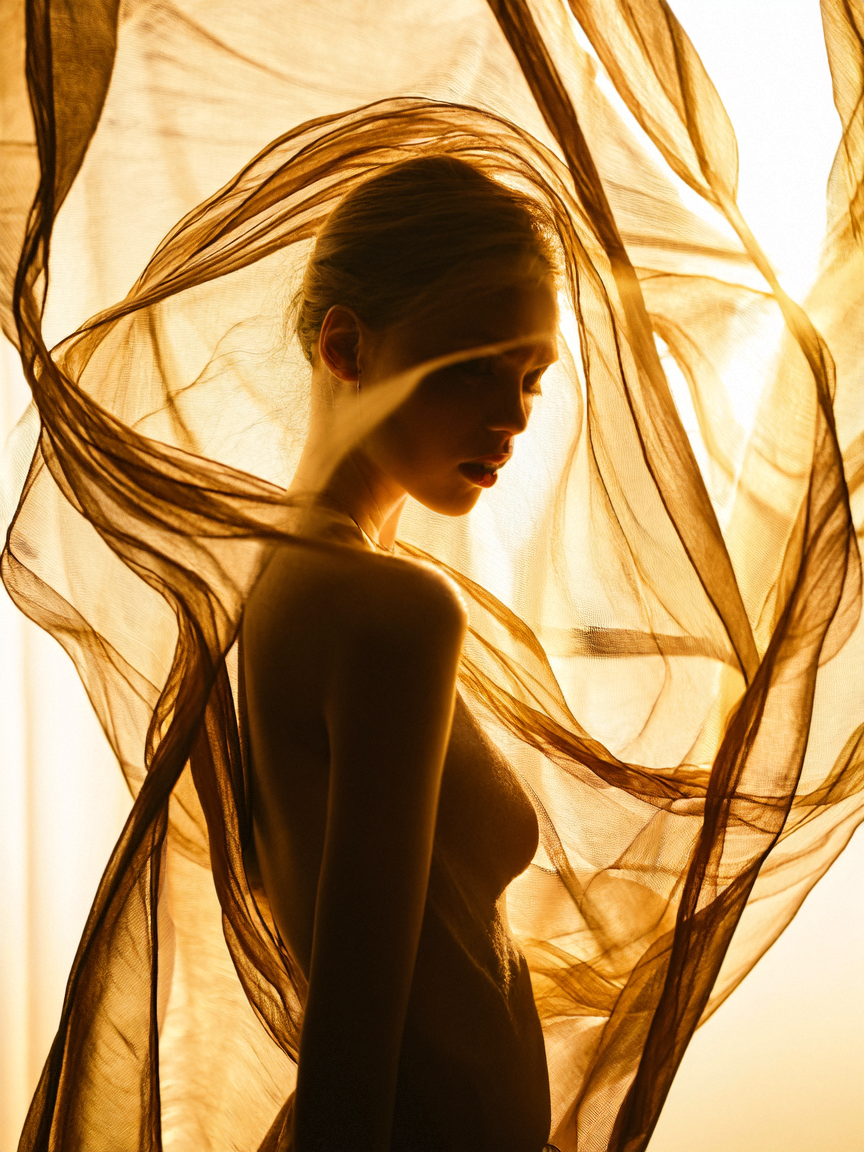
Backlight | Backlight | Shows that in a backlit environment, the model's contour lines become more distinct, with golden light and silk surrounding the model, creating a dreamlike halo effect. The entire scene is full of artistic atmosphere, showcasing high-level photography techniques and creativity. |
|
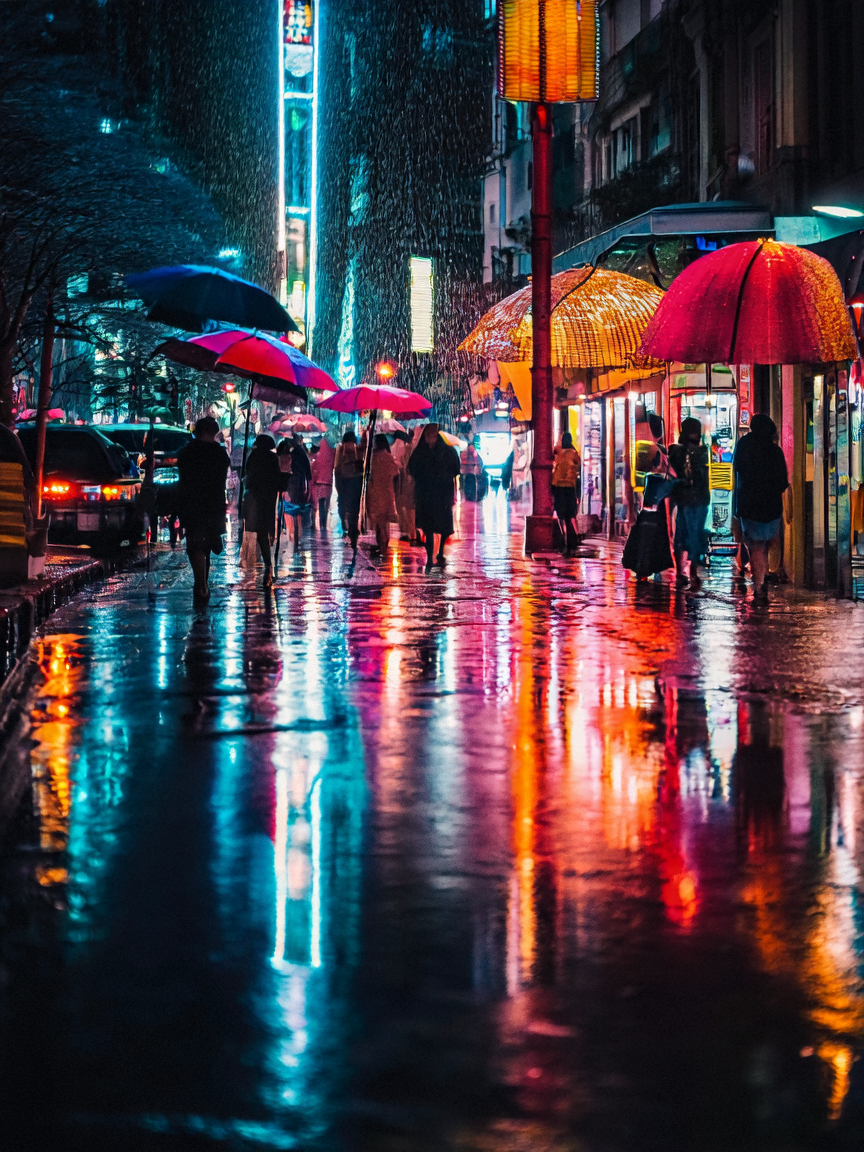
Neon light | Neon light | City street scene after rain, with neon lights reflecting colorful rays on the wet ground. Pedestrians hurry by with umbrellas, and vehicles slowly drive through the bizarre streets, leaving colorful trails. The entire image is filled with the mystery and romance of the urban night, as if each raindrop is telling a story of the city. |
|
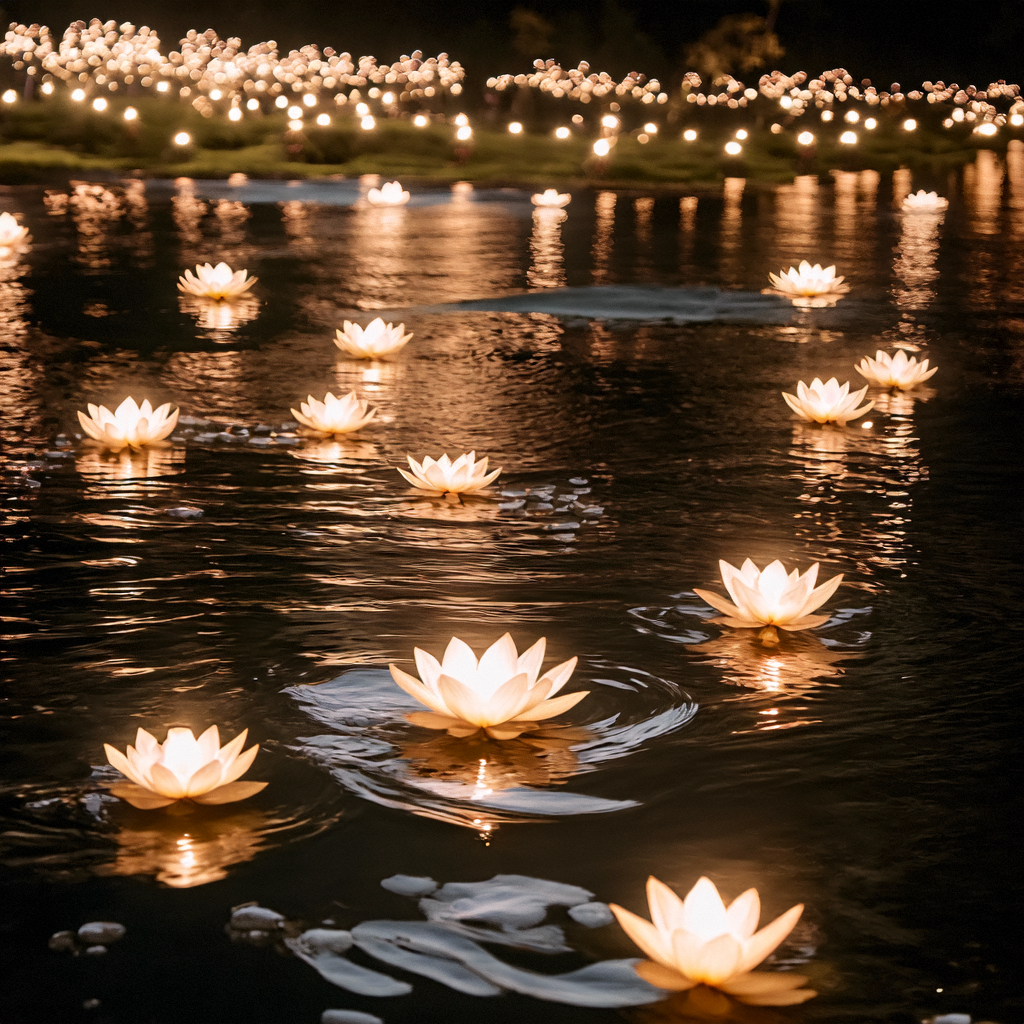
Ambient light | Ambient light | Romantic artistic scene by the river at night, with ambient lights gently illuminating the water surface, a group of lotus lanterns slowly drifting toward the center of the river, the light and the rippling water surface reflecting each other, creating a dreamlike visual effect. |
|