Service system
Migrating to a distributed architecture or the cloud makes application call chains longer and more complex. The iteration speed of cloud applications also increases significantly compared to traditional applications. These factors create major challenges for quality and Operations and Maintenance (O&M) teams. To help users effectively migrate to and use the cloud, SOFAStack provides a robust distributed architecture and a product system for technical threat prevention. SOFAStack also offers a comprehensive service system that includes architecture consulting, quality improvement, O&M architecture upgrades, and major event support.
Product services
SOFAStack offers a complete, end-to-end service system. It provides rapid response services, such as product training, regular on-site expert support, application O&M training, and go-live support.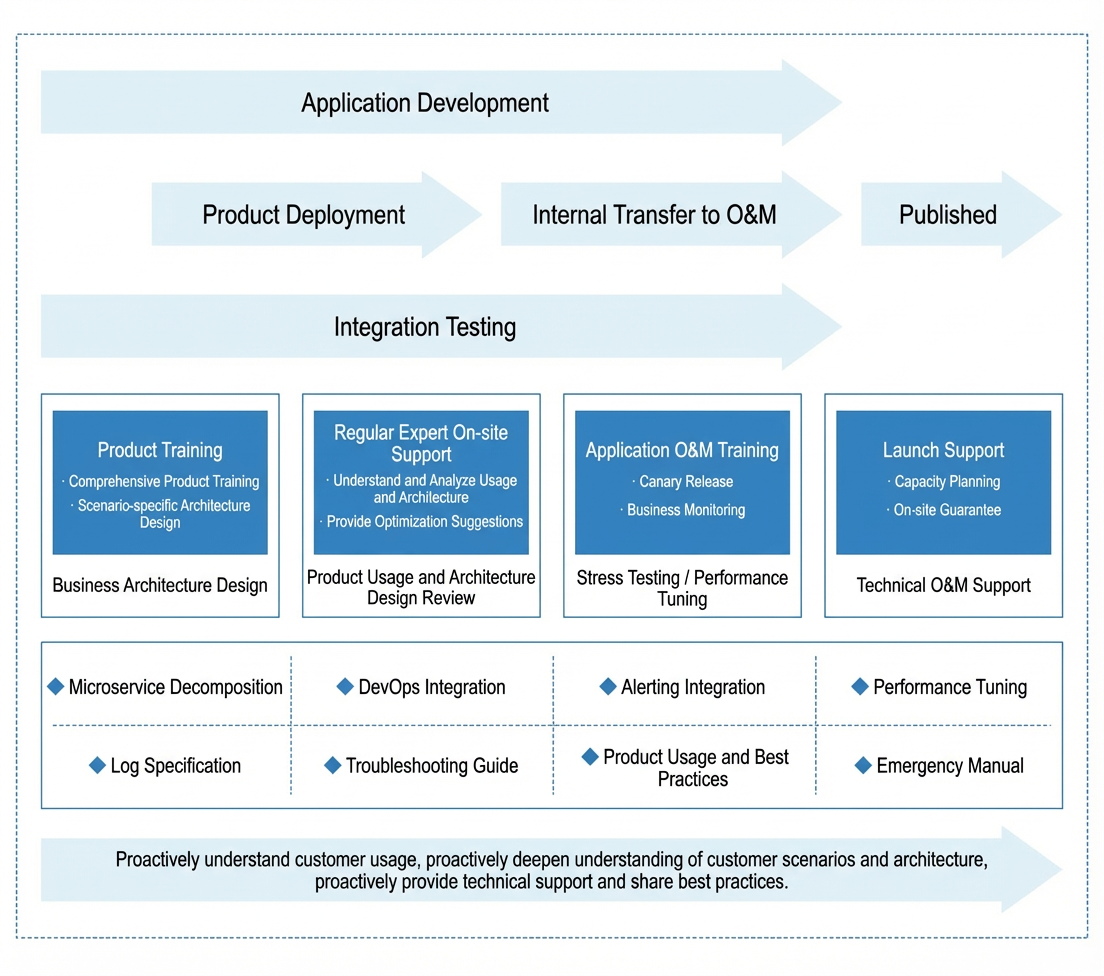
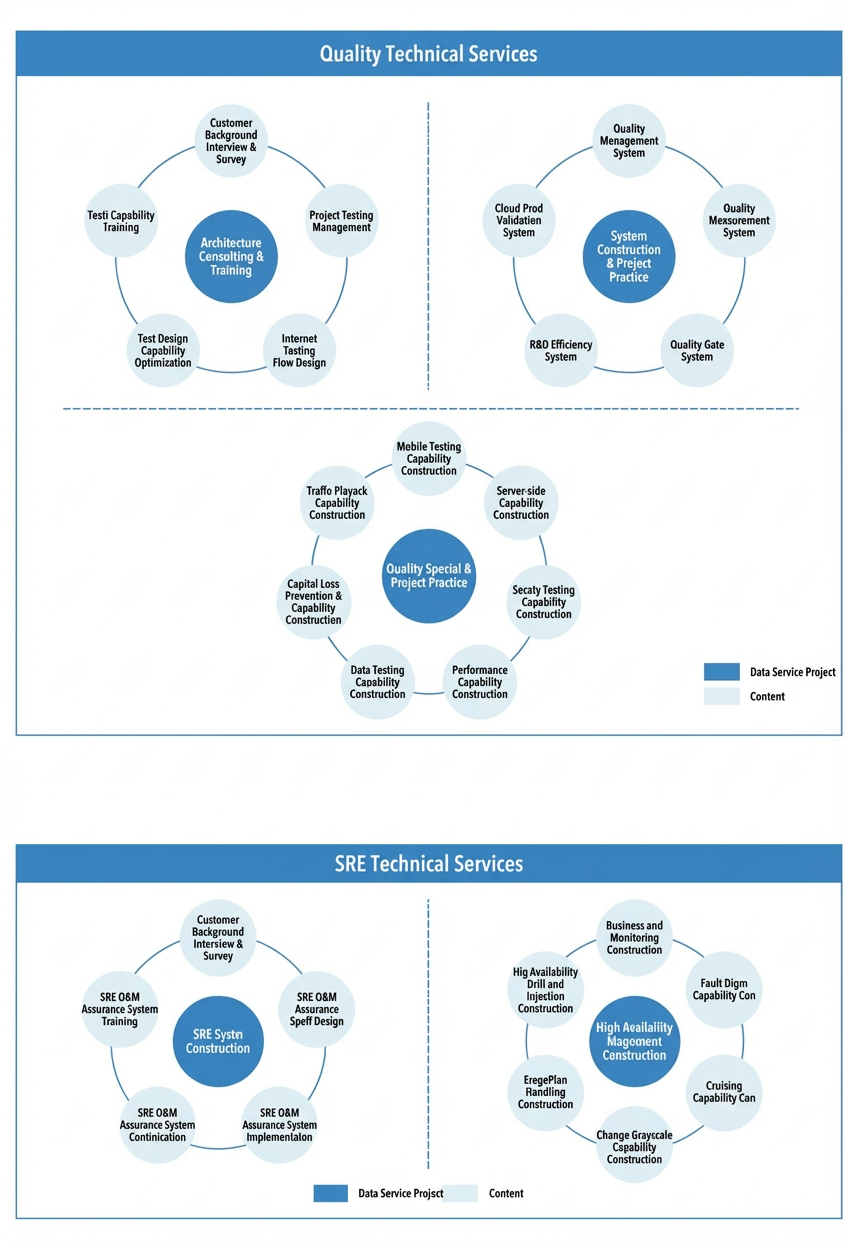
Quality and Technical Risk Assurance Training Service
Service objective: This service provides customized training based on Ant Group's extensive experience in quality and technical threat assurance. This training helps you understand industry trends and Ant Group's advanced practices.
Service method: This service includes technical training, knowledge sharing sessions, Q&A sessions, strategic guidance, and planning reviews. Exclusive discussions and training sessions are organized in a workshop format for groups of fewer than 20 people.
Service content:
O&M architecture planning and consulting services
Service objective: When transitioning to a distributed architecture and migrating core systems, it is crucial to build a supporting O&M assurance system alongside the technical architecture upgrade. This approach ensures a fast, stable transition and helps you achieve your business objectives. The core objective of this service is to leverage the experience of Ant Group experts to create a practical upgrade plan and define objectives for O&M architecture capabilities that are tailored to your organization's specific needs.
Service method: This service includes current-state analysis, technical discussions, solution planning, and Q&A sessions. A study of the current situation is conducted to assist with O&M architecture planning and reporting. This includes development plans for tools, standards, and organizational structure.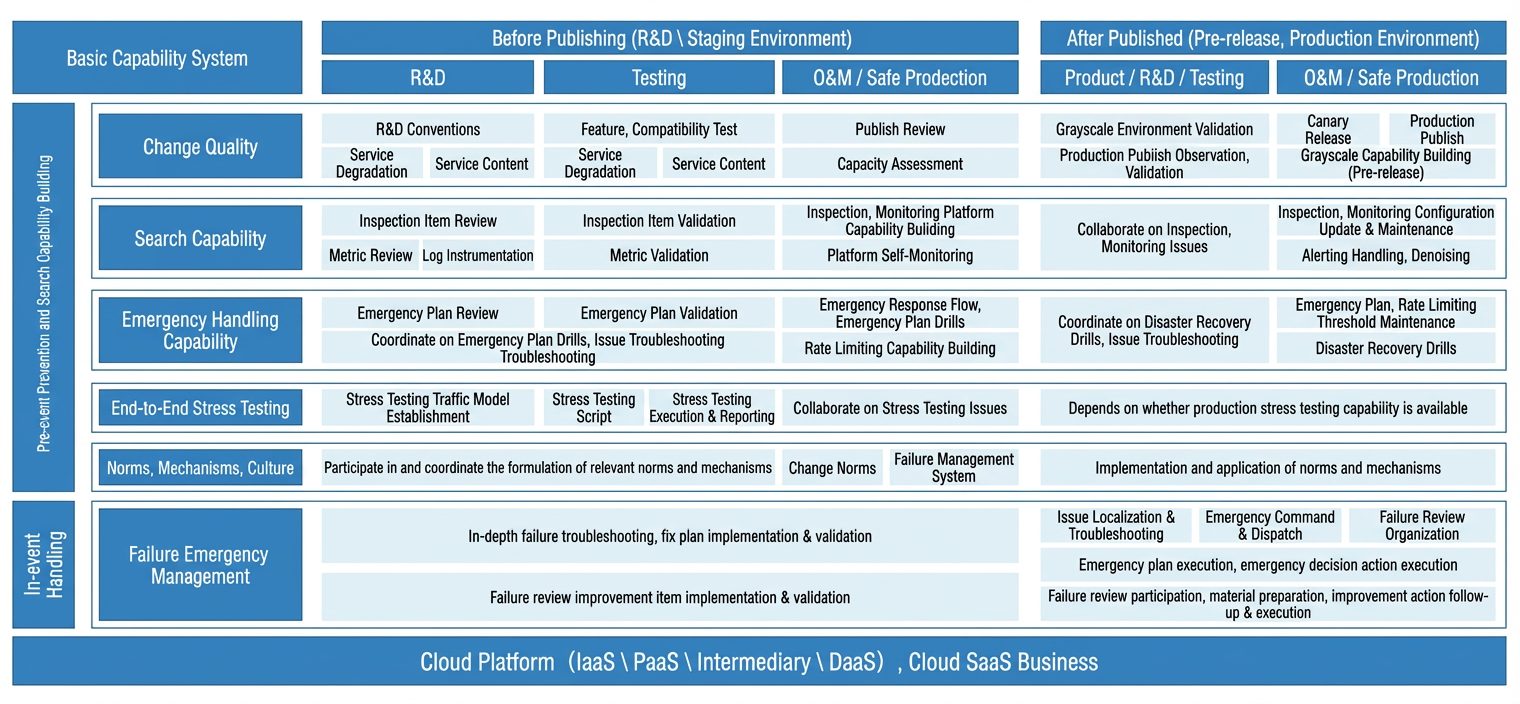
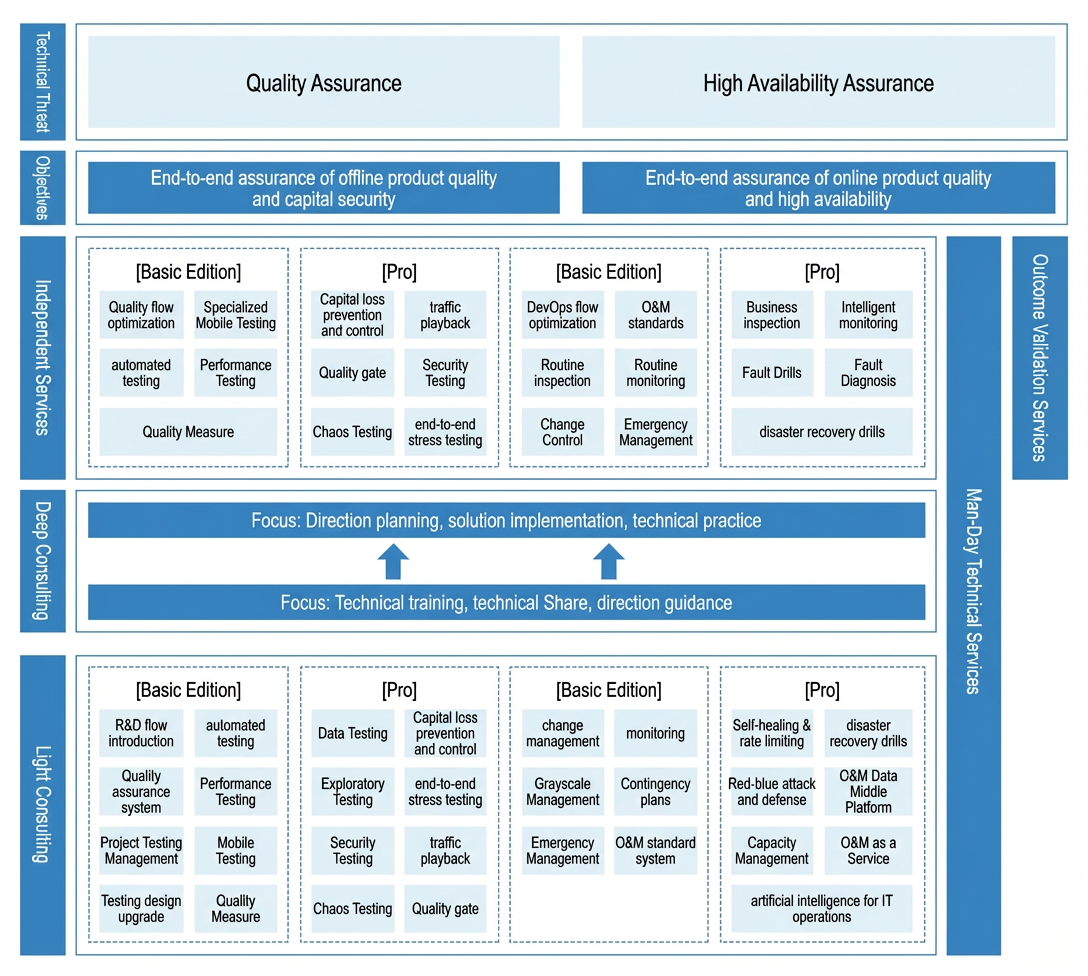
Application O&M and quality assurance implementation services
Service objective: Organizations transitioning to a distributed architecture often purchase and deploy O&M and quality management tools but may lack the resources to use them to their full potential. This service provides implementation support. For specified services and systems, this service helps with business and application analysis and improves capabilities such as monitoring, quality gates, and inspections. The service also includes training on these capabilities. This ensures successful project implementation and builds a foundation for future self-service O&M.
Service method: This service includes technical training, guidance on implementing and using platform tools, standards development, and implementing O&M assurance capabilities for selected services and applications.
Training system
Product introduction and usage training
This training covers product capabilities, including the following:
Product introduction: An overview of the product's positioning, service architecture, core features, and benefits.
Technical principles: Explains the application architecture and key technical principles.
User guide: Describes and demonstrates how to use product features.
Product O&M and emergency response training
This training covers product O&M solutions, including the following:
Deployment architecture: Outlines the product's deployment architecture and validation plans.
Log monitoring: Explains the product's log structure and monitoring metrics.
Emergency plan: Describes the product's emergency response flow and common emergency scenarios.
Product operation training
This training covers product operation plans, including the following:
Operation methods: Explains the methodology for product operations and industry practices.
Operation tools: Describes how to use various tools for product operations.
Operation data: Explains the use of various data and algorithms related to product operations.